
Simple, whole foods often deliver the most powerful health benefits—and walnuts stand out among nuts.
These nutrient-dense gems are packed with proteins, healthy fats, fiber, plant sterols, antioxidants, vitamins, and minerals—all in one compact shell.
Decades of scientific research crown walnuts as the top nut for health, supported by rigorous studies on their effects.

Evidence from clinical trials shows that just 30g of walnuts daily—about 7 kernels—acts like a natural health booster with wide-ranging benefits.
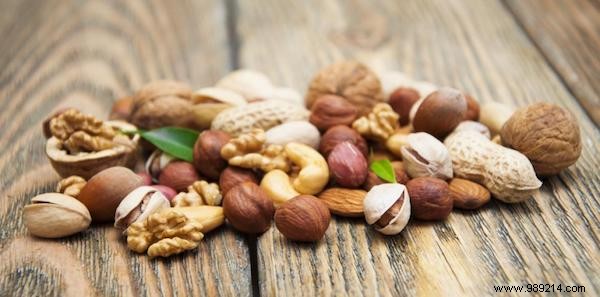
Walnuts grow on the Juglans regia tree and join a family that includes hazelnuts, cashews, pistachios, pine nuts, pecans, Brazil nuts, and macadamia nuts.
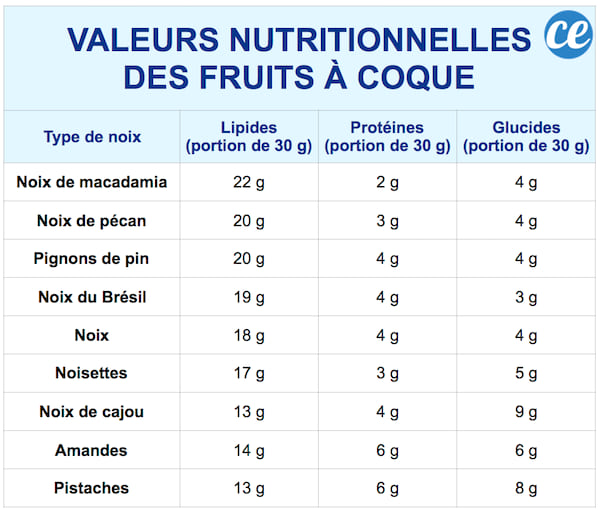
While all nuts offer value, walnuts excel: 30g delivers 100% of your daily omega-3 needs, plus substantial copper, manganese, and vitamin B6.
Here's what peer-reviewed studies reveal as the top 7 benefits:

Research links walnut consumption to reduced risks of prostate and breast cancer.
A University of California, Davis study fed mice the human equivalent of 30g walnuts daily, finding it shrank prostate tumors and slowed growth by 30-40%.
Separately, Marshall University researchers reported that 56g daily cut breast cancer risk by 50%, reducing tumor number and size.
Walnuts provide L-arginine, an amino acid that benefits cardiovascular health. (Note: Those prone to herpes should limit intake, as excess L-arginine may trigger outbreaks by lowering lysine.)
Rich in alpha-linolenic acid (ALA), an omega-3 with anti-inflammatory properties, walnuts help prevent clots. Studies show ALA-rich diets halve heart attack risk.
Just 4 walnuts daily boost ALA levels, regulate cholesterol, and lower cardiovascular disease risk by up to 30% with 30g portions—especially in high-risk groups.
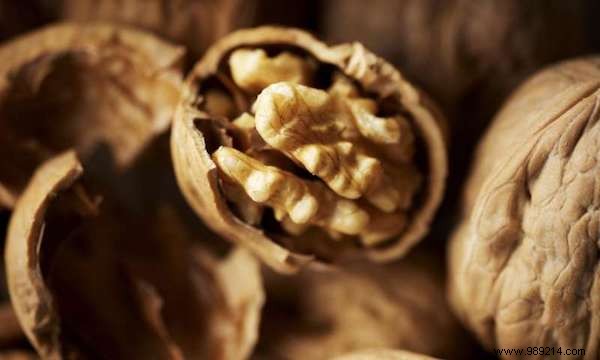
Walnuts brim with potent antioxidants that neutralize free radicals, key culprits in aging and oxidative damage.
These unique compounds outperform most foods. Researchers call their free radical-scavenging "remarkable," with polyphenols protecting against chemical liver damage.
Among tested nuts, walnuts showed superior antioxidant activity. Studies confirm they improve lipid profiles (cholesterol, HDL, LDL, triglycerides), enhance endothelial function, reduce inflammation, and support vascular health—without weight gain.
Despite their calories, walnuts promote satiety and weight loss.
Regular consumers—or those swapping snacks for nuts—lost about 1kg and over 1cm from their waist in trials. Fullness increases within 3 days, curbing overeating.
University of Delaware researchers found 75g daily improved sperm vitality, motility, and morphology—key fertility markers.

Loaded with vitamin E, folate (B9), melatonin, omega-3s, and antioxidants, walnuts protect neurons.
Studies link them to better reasoning in youth and reduced age-related cognitive/motor decline via oxidative stress protection.
Walnuts' healthy fats improved metabolic markers in type 2 diabetes patients. In overweight individuals, 30g daily cut insulin levels significantly after just 3 months.
The thin, slightly bitter skin holds 90% of walnuts' antioxidants—keep it on for maximum benefits.
Opt for organic, raw, non-irradiated walnuts. Click here to learn more about food irradiation.
Fresh walnuts are perishable; refrigerate and eat within 24-48 hours.
Dry walnuts fare better at room temperature. Avoid bulk buys with off smells or poor quality.
Soak overnight to reduce enzyme inhibitors and phytic acid, then dehydrate at 40-45°C for crunch.
Crunchy and mildly bitter, they pair with strong cheeses like Roquefort or mild goat cheese, or shine in baking with marzipan, honey, or caramel.
Blend into smoothies for benefits sans strong flavor. Explore other nuts too.
- No nutcracker? Crack them by hand with this simple trick.
- Use a walnut to buff out scratches on wood furniture—see how here.
