Ever wonder why honey features in countless home remedies? Its healing powers have been valued since ancient times, and modern research confirms many of these uses.
We've compiled 10 benefits supported by clinical studies, drawing from peer-reviewed research to highlight honey's potential as a natural therapeutic agent.

Researchers at Pennsylvania State University compared honey to dextromethorphan, a standard cough suppressant, in children. Honey outperformed it in reducing nighttime coughs and improving sleep quality.
A study in the journal Pediatrics examined 270 children aged 1-5 with upper respiratory infections. Those given 2 teaspoons of honey before bed experienced less frequent and less severe coughs, plus undisturbed sleep, compared to controls.
Related: 9 Incredible Grandma's Cough Remedies.
A study of 102 postmenopausal women tested daily honey (20g), hormone therapy, or no treatment. After 4 months, honey and hormone groups recalled one more word on average in short-term memory tests versus controls.
While the sample size and duration limit conclusions, these findings suggest promising cognitive benefits.
Related: 6 Effective Tricks to Boost Memory and Concentration.
Multiple studies affirm honey's wound-healing prowess. Norwegian research on Medihoney (a purified New Zealand variety) and local forest honey showed both eliminated all tested wound bacteria.
In a trial with 59 patients whose leg ulcers resisted conventional treatments, unprocessed honey healed wounds in 58 cases. Sterile wounds stayed clean; infected ones cleared in one week.
Hospitals often use honey for burns via dressings changed every 24-48 hours or direct application (15-30ml, renewed every 12-48 hours) under sterile gauze.
Related: 20 Natural Painkillers You Already Have in Your Kitchen.
The National Honey Board notes honey's rich profile: nearly 200 substances including vitamins (niacin, riboflavin, pantothenic acid) and minerals (calcium, copper, iron, magnesium, manganese, phosphorus, potassium, zinc).
Swap sugar for honey to sweeten foods and drinks—gain more nutrients at fewer calories.
Related: The 3 Clever Ingredients to Make Cakes WITHOUT Sugar.
Honey shows promise against chemotherapy-induced neutropenia (low white blood cells). In one study, high-risk cancer patients taking 2 teaspoons daily saw 40% fewer episodes.
Further research is needed, but results indicate significant potential.
Related: 11 Foods To Strengthen Your Immune System and Improve Your Health.
Honey's anti-inflammatory and cough-soothing properties make it popular for allergies, but studies haven't yet confirmed efficacy against symptoms.
Even so, the placebo effect can play a role in relief.
Related: 6 Tips to Fight Spring Allergies Naturally.
Medical-grade honey eradicates foodborne pathogens like E. coli and Salmonella, plus hospital threats Staphylococcus aureus and Pseudomonas aeruginosa—even methicillin-resistant strains.
Per NYU Langone Medical Center, honey enhances the body's alcohol processing, curbing intoxication and lowering blood alcohol levels. Ideal for moderate drinkers.
Related: 11 Miracle Hangover Remedies.
Athletes favor honey's 17g carbohydrates per tablespoon for clean energy—superior to sugary drinks with added nutrients. The National Honey Board suggests mixing into water or using in pre/post-workout bars.
Related: Plank Exercise: The 7 Incredible Benefits For Your Body.
A study on seborrheic dermatitis patients used honey diluted 10% in warm water, applied for 3 hours daily. Itching and redness vanished in one week; lesions healed in two, with reduced hair loss. Weekly maintenance prevented relapse for 6 months.
Related: 11 Natural Remedies To Get Rid Of Dandruff.
Key takeaways: Honey packs healing power but delivers 64 calories per tablespoon—use mindfully. Avoid giving to infants under 12 months due to botulism risk from bacteria.
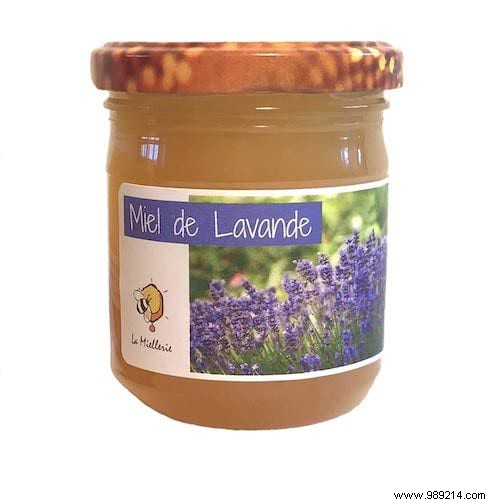
Convinced? Stock up on premium natural lavender honey for everyday use.