Once dismissed as a mere nuisance, snoring is now recognized as a serious health signal—much to the relief of bed partners everywhere.
For physicians, it's a red flag. "When you snore, you're expending far too much energy just to breathe," explains Dr. M. Safwan Badr, president of the American Academy of Sleep Medicine. "Snoring is like a fever—it indicates a problem, though we need to identify the root cause."
Snoring happens when narrowed or blocked airways cause air to vibrate against the soft tissues in your throat.
"Snoring isn't normal," stresses Dr. Badr. As a clinician, he prioritizes diagnosing the underlying issue for tailored treatment. "I first determine if it's due to gasping for breath or obstructive sleep apnea," he says.
Sleep apnea involves repeated breathing pauses—sometimes hundreds per night—raising risks for heart attacks, depression, and diabetes. Other culprits include seasonal allergies or nasal congestion, which respond to targeted medical therapies.
That said, many snorers and their sleep-deprived partners turn to home remedies. To cut through the hype, Dr. Badr shares evidence-based insights on what truly works:
Dr. Badr's Verdict: Skip them.
Nasal strips rarely help because snoring stems from deeper airway narrowing, beyond what a strip can address. "They might muffle the noise slightly but won't fix the mechanical issue," he notes.
Your partner may hear less, but the problem persists. If curious, some users report mild benefits from popular brands.
Dr. Badr's Verdict: Highly recommended.
Excess weight thickens neck tissues, compressing airways and triggering vibrations. Gradual weight gain can even lead to sleep apnea. If snoring coincided with pounds piling on, shedding some could quiet nights—plus boost overall health.
Related Read: 20 Zero-Calorie Foods to Aid Weight Loss.
Dr. Badr's Verdict: Worth trying.
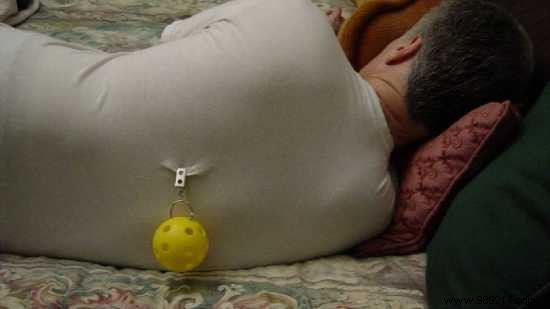
Gravity worsens throat pressure on your back, so side-sleeping often reduces snoring. Partners' nudges aside, try this expert hack: Sew a tennis ball into a back pocket of an old T-shirt, worn backward. Back-sleeping becomes uncomfortable, training you to stay sideways.
Dr. Badr's Verdict: Test it out.
Dry air exacerbates congestion-related snoring or allergies. A humidifier can help moisten airways. However, "These remedies offer benefits but aren't cures," cautions Dr. Badr. Relying solely on them may delay seeing a doctor for chronic issues.
Dr. Badr's Verdict: Proven effective.
Alcohol relaxes airway muscles, worsening snoring—even for occasional snorers. It also disrupts sleep quality. Skip drinks close to bedtime for quieter, restorative rest, whether you snore or not.
Dr. Badr's Verdict: Minimal impact.
Pillows may temporarily adjust airways, but you shift positions nightly. Anti-snoring pillows lack robust scientific backing, so don't bank on them alone.
Dr. Badr's Verdict: Last resort after CPAP fails.
CPAP—continuous positive airway pressure—is the gold standard: A mask delivers air to keep passages open, eliminating vibrations. Surgery is reserved for severe cases unresponsive to CPAP, following thorough sleep evaluations by specialists.
Don't dismiss snoring, especially with daytime fatigue or health concerns. "People seek symptom fixes but overlook the real issue," Dr. Badr warns. "Snoring signals something's amiss—consult a doctor."
