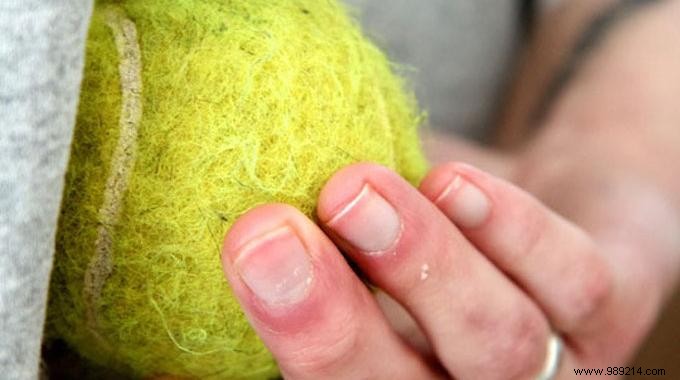
Snoring often draws jokes, but it's no laughing matter—especially when it disrupts sleep night after night.
Poor sleep quality affects the snorer directly, while partners, roommates, or even those in adjacent rooms suffer too.

Snoring occurs when muscles in the soft palate, tongue, or throat relax, allowing throat tissues to partially block airways and vibrate as air passes through. Deeper breaths amplify these vibrations, making snores louder.
Factors like mouth anatomy or alcohol use contribute, but simple home remedies—recommended by sleep experts—can help without masks, orthotics, or nasal dilators.
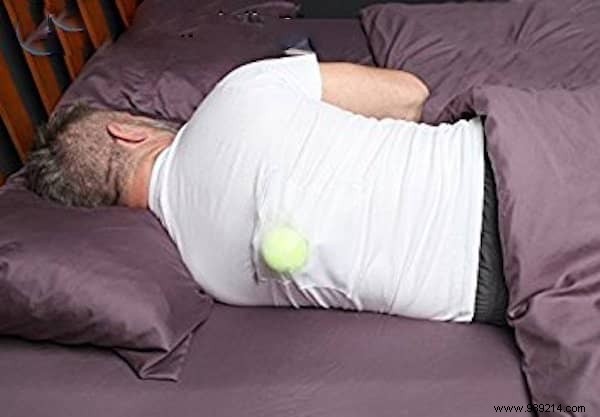
Sleeping on your back worsens snoring by letting the tongue fall back. This tennis ball technique trains you to stay on your side.
Sew a pocket onto the back of your pajama top and insert a tennis ball. The discomfort will gently nudge you onto your side without fully waking you.
- 1 tennis ball
- 1 old shirt with a pocket
- 1 pair of scissors
- 1 needle and thread
Cut a pocket from an old shirt and sew it securely to the middle of your pajama back. Tighten the top so the ball stays put during movement.
Don't worry about perfect stitching—function matters more. Insert the ball before bed to prevent back-sleeping.
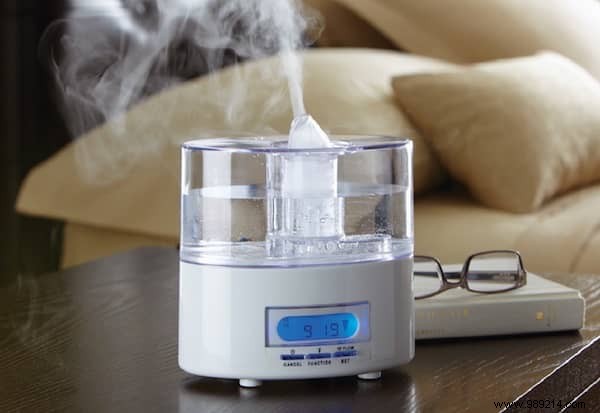
Dry air irritates nasal and throat membranes, causing congestion that promotes snoring. Use a humidifier to add moisture, or consider a humid climate for relief.
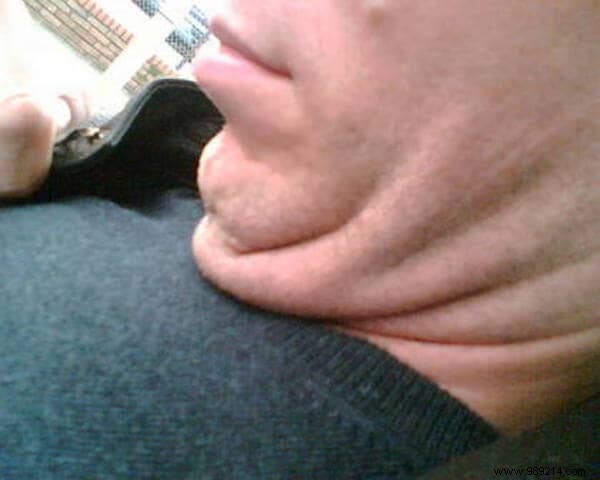
Excess weight adds throat tissue, narrowing airways and intensifying vibrations. Shedding pounds reduces this bulk for quieter breathing.
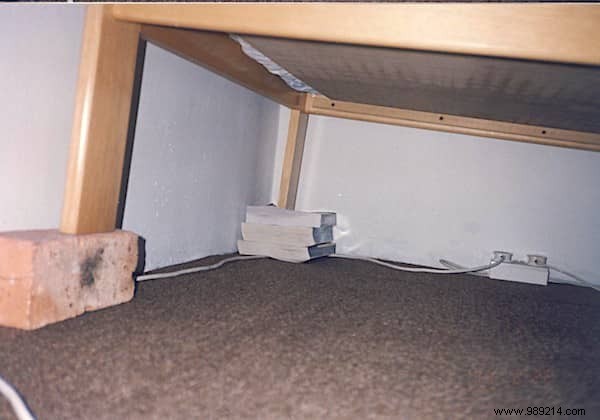
Elevate the head of your bed by about 10 cm. This prevents your tongue from blocking the throat, keeping airways open.
- Blocks of wood 2 to 4 cm thick, bricks, or books.
Collect flat, square wood scraps (2-4 cm thick) from a hardware store, wide enough for bed legs. Stack to 10 cm under the headboard legs.
Books or bricks work too—just ensure stability.
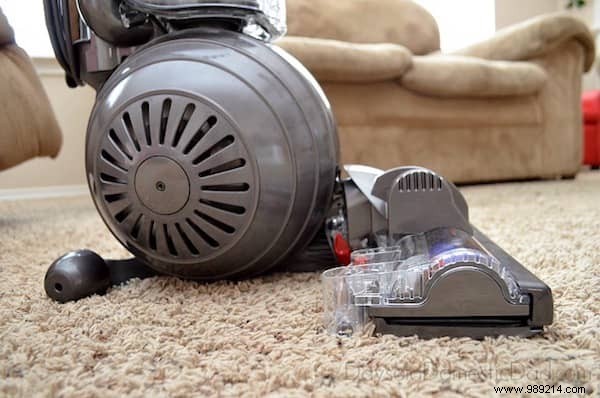
Regular deep cleaning removes allergens like dust, pollen, and pet dander that congest airways. A powerful vacuum for allergy sufferers helps, plus clean home vents routinely.
To discover: The 12 Secrets of People Who ALWAYS Have a Spotless House.
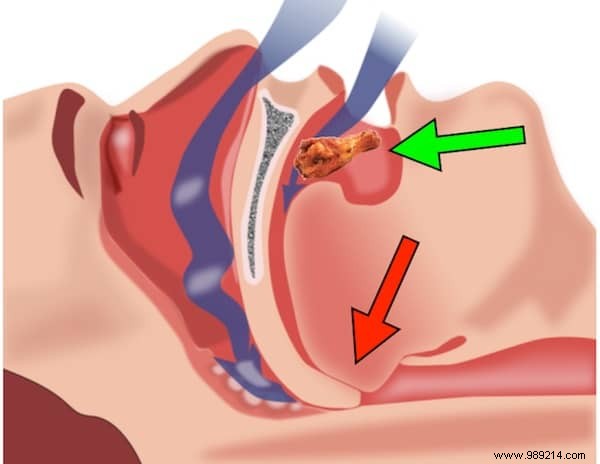
Pinpointing the cause beats guesswork. Review weight, alcohol habits, or consult a doctor about mouth structure.
Sleep position clues: Mouth closed: tongue or nose issues. Mouth open: throat blockage. Back only: mouth breathing. All positions: possible sleep apnea—see a doctor if severe.

Essential oils like peppermint clear sinuses and open airways. Add to a humidifier for overnight relief.
- A humidifier or vaporizer
- A few drops of peppermint or eucalyptus essential oil
30 minutes before bed, add 3-5 drops to your device. Start low to avoid overpowering scents.
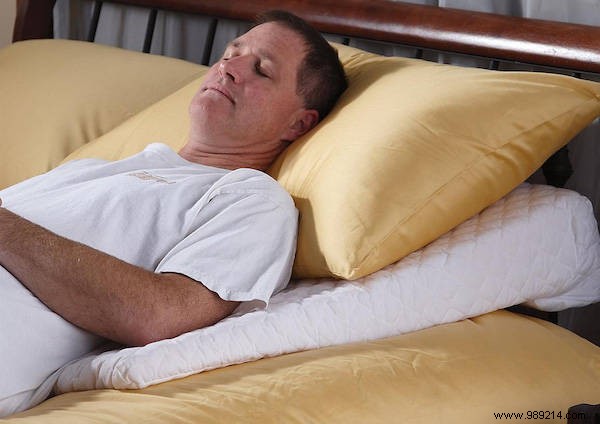
Optimal pillow height aligns head and neck for open airways. Avoid too high, flat, or soft. Test for the right support.
For earplugs, try this anti-snoring option.
Toned muscles resist collapse during sleep. Age weakens them, so exercises help:
- Push lower jaw forward, teeth showing; hold 10 seconds, repeat 5-10x daily.
- Say "lips, teeth, tip of tongue" 10x before bed.
- Extend tongue straight, move side-to-side touching lip corners; twice daily in mirror.
Skip alcohol and sedatives 2+ hours before bed. They overly relax throat tissues, blocking airways and worsening snoring.
