
Experiencing gastroenteritis? Diarrhea and vomiting can strike suddenly, but you don't always need medication. As experts in natural health remedies, we've curated four effective, time-tested home treatments to alleviate symptoms fast and support recovery.
These herbal infusions and probiotics draw from traditional practices proven to soothe the digestive tract. Read on for safe, practical solutions.
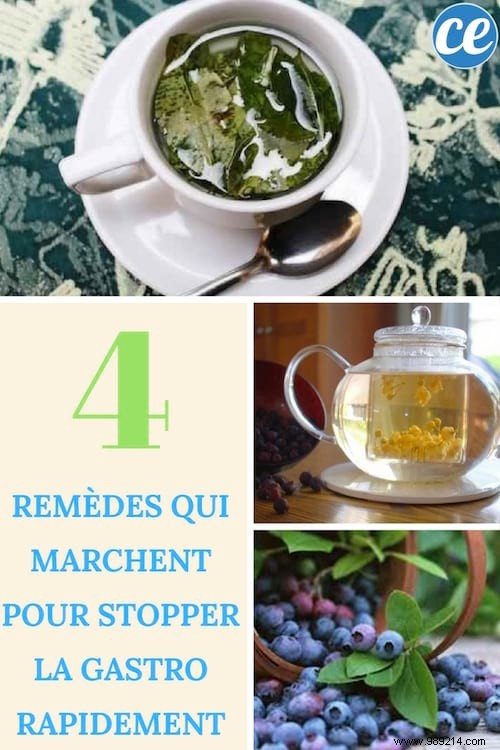
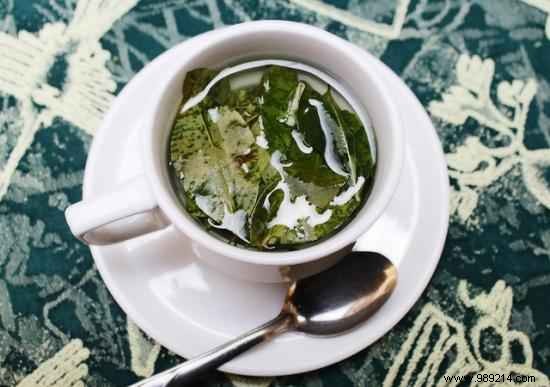
This potent herbal tea blend rapidly eases diarrhea by soothing the gut lining.
Ingredients: 50 g agrimony flowering tops, 50 g bistort roots, 50 g anserine potentilla roots, 50 g loosestrife flowering tops, 50 g red vine leaves.
How to prepare: Mix all herbs. Add one tablespoon of the mixture per cup of water. Boil for 3 minutes, then steep for 10 minutes.
Usage: Drink 2-4 cups daily until symptoms subside.
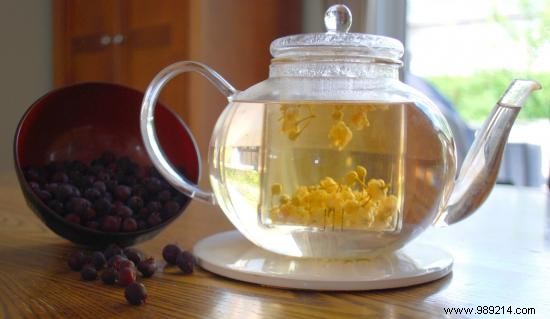
For abdominal cramps without relying on medications like Smecta, try this chamomile and lemon balm infusion, trusted for centuries to ease spasms, nausea, and vomiting.
Ingredients: 1 tablespoon Roman chamomile flowers, 1 tablespoon lemon balm flowers.
How to prepare: Boil 1 liter of water, add herbs, and steep for 10 minutes. Sweeten if desired.
Usage: Sip throughout the day as needed until relief.
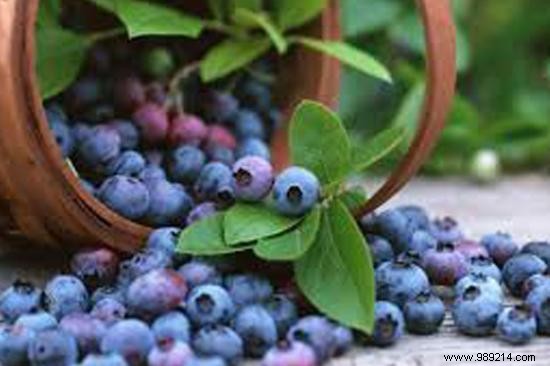
A traditional remedy, blueberry tea effectively curbs stomach pain and vomiting during gastroenteritis episodes.
Ingredients: 4 teaspoons blueberries (berries).
How to prepare: Add 4 teaspoons per liter of water. Boil for 3 minutes, then steep for 10 minutes.
Usage: Drink freely until symptoms improve.
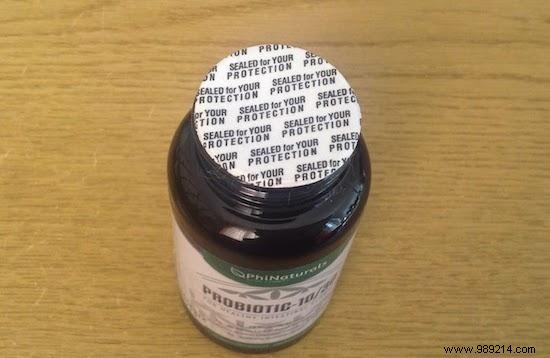
Replenish beneficial gut bacteria with probiotics, essential for full recovery from gastroenteritis.
Ingredients: Probiotic capsules (available here).
How to: Take 2 capsules morning, noon, and evening for 10 days monthly.
Gastroenteritis inflames the stomach and intestinal linings, leading to acute digestive issues that typically resolve quickly.
Distinguish between two types: acute inflammatory (caused by germs like E. coli, leading to inflamed lesions) and acute non-inflammatory (from bacteria like Staphylococcus aureus, causing spasms).
Seek immediate medical care for infants, as dehydration risks are high.
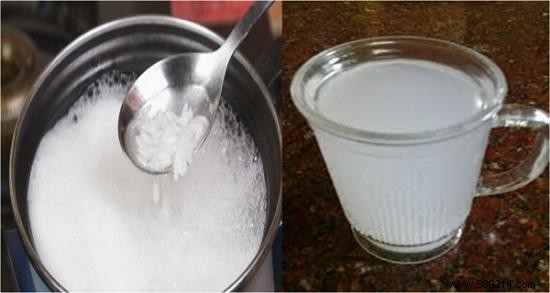
Stick to rice water and cooked white rice. Avoid fiber-rich foods (raw veggies, fruits, dairy, starches) until symptoms pass. Gradually reintroduce normal foods to avoid stressing the gut.

Ensure milk, cheeses, and eggs are fresh; cook meats and fish thoroughly; wash produce well. Abroad, drink bottled or boiled water—open bottles in front of you. Wash hands frequently, especially before eating or preparing food.

Consult a doctor for bacterial cases (e.g., Staphylococcus aureus, Salmonella). Otherwise, rest the gut by eating lightly for 24 hours. Rehydrate with WHO oral solution: 6 tsp sugar + 1 tsp salt per liter of water to replace lost glucose and sodium.
