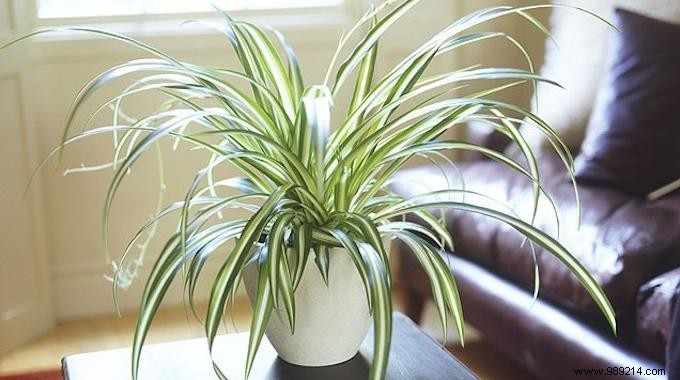
Is indoor air more polluted than outdoor air? Absolutely—10 times out of 10. In fact, poor indoor air quality ranks among the top five health risks, thanks to stagnant toxins, chemical off-gassing from furniture (like formaldehyde), and outdoor contaminants like pollen, bacteria, and mold.
Luckily, certain houseplants can naturally filter these pollutants, improving your home's air quality. Drawing from NASA's Clean Air Study, these nine resilient varieties are nearly indestructible, perfect even for beginners without a green thumb.
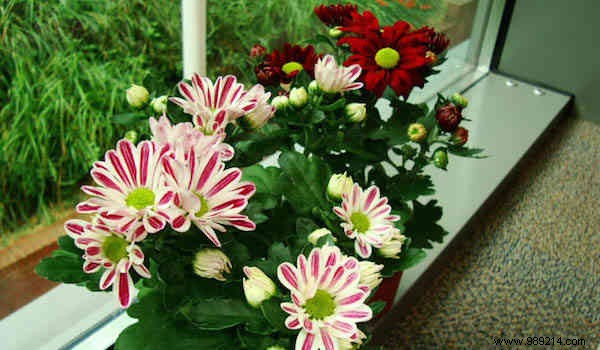
NASA research highlights chrysanthemums as top air purifiers. They effectively remove ammonia, benzene, formaldehyde, and xylene. Readily available at florists and affordable, they're an easy addition to any space. Chrysanthemum seeds are also widely sold online.
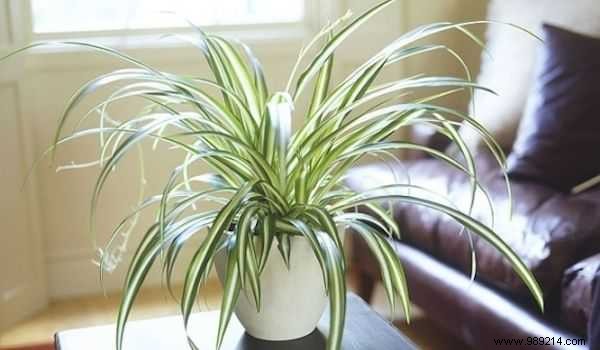
This beginner-friendly spider plant filters formaldehyde, carbon monoxide, toluene, benzene, and xylene. It tolerates low maintenance beautifully. Provide bright indirect light, mist leaves above 20°C (68°F), and water when soil dries. Available at most garden centers.
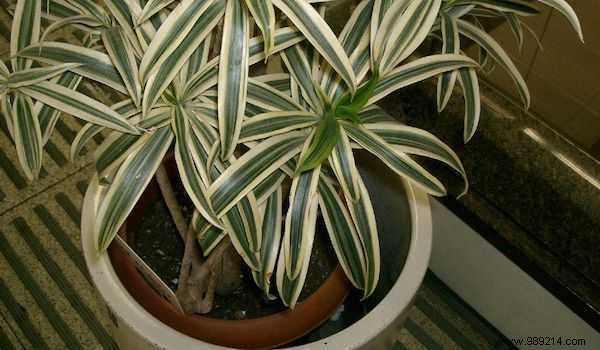
With over 40 varieties, dracaena offers options for every style. It targets benzene, formaldehyde, trichloroethylene, and xylene—but note it's toxic to cats and dogs, so skip if you have pets. Easy care: weekly watering, no pruning needed. Widely available.
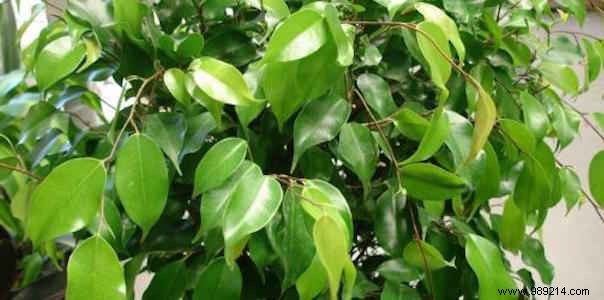
Ficus plants grow impressively large and excel at removing benzene, trichloroethylene, and formaldehyde. One weekly watering and occasional misting keep them thriving—a favorite among indoor plant enthusiasts.
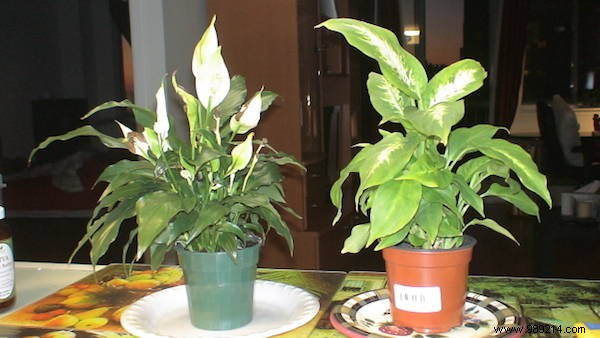
Graceful peace lilies (Spathiphyllum) bloom summer-long and filter ammonia, benzene, formaldehyde, and trichloroethylene. They love shady, humid spots; let surface soil dry between waterings to avoid root rot.
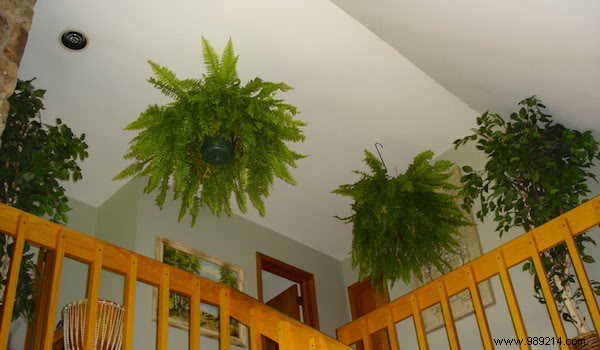
Ideal for bathrooms, Boston ferns thrive in cool, humid, low-light conditions while clearing xylene and formaldehyde. Water weekly in winter, 2-3 times in summer—keep soil moist but not soggy. Easily sourced online or in stores.
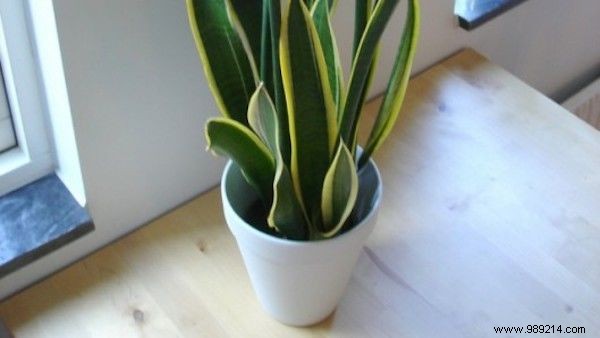
Ubiquitous in offices for good reason, Sansevieria (snake plant) needs minimal care: weekly water in dry conditions, low light. It powerfully removes benzene, formaldehyde, trichloroethylene, and xylene.

This sun-loving palm can reach 3 meters, filtering formaldehyde, benzene, and trichloroethylene. Provide indirect light and generous watering during growth, ensuring no standing water.
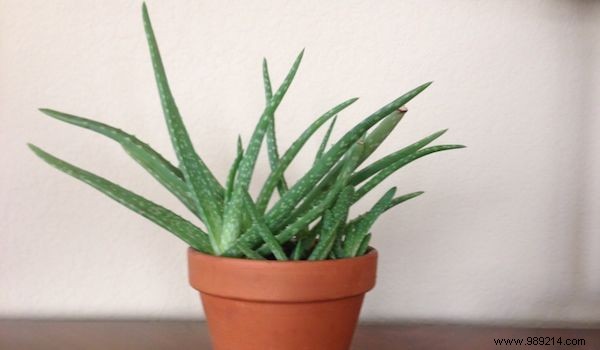
Beyond its 40+ health and skincare uses—like soothing sunburns—Aloe vera excels at removing formaldehyde. Drought-tolerant, water sparingly when soil dries. A versatile staple for any home.
