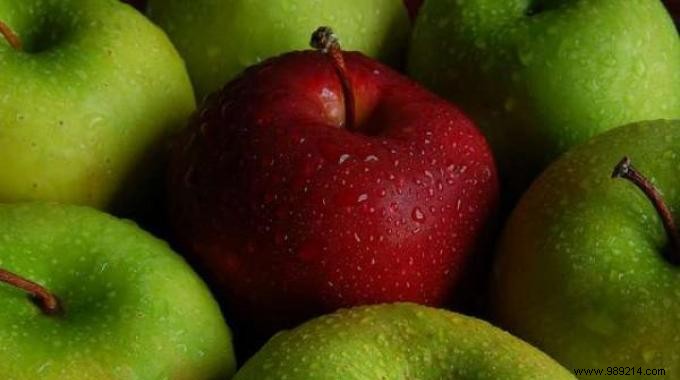
Do you enjoy apples? Golden Delicious, Granny Smith, Pink Lady, Gala, Boskoop—each offers distinct flavors, textures, and colors.
Yet they share a troubling commonality: pesticides, as affirmed by French courts.
This stems from a Greenpeace report titled "Poisoned Apples - Ending Pesticide Contamination in Orchards Through Organic Farming."
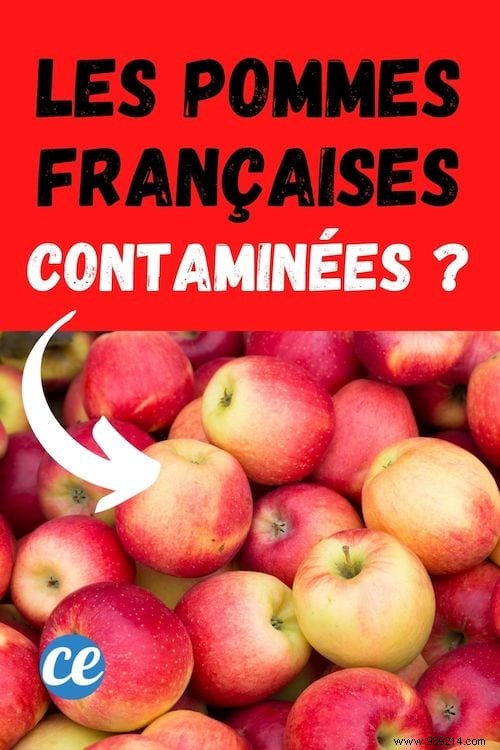
Published last July, the report details how apples—especially French varieties—are tainted with multiple pesticides.
The Association Nationale Pommes Poires (ANPP), representing Norman apple growers, sued Greenpeace to remove the phrase "poisoned apples."
Their goal: Prevent consumer alarm over health risks.
The Paris Tribunal de Grande Instance dismissed the claim, ruling in Greenpeace's favor.
Judge Catherine David stated that "it is not the reputation of the apple that is in question."
She noted the pesticides used in apple cultivation are objectively problematic. Consumers, she added, understand that contaminated soil and water lead to tainted produce.
"To say apples are poisoned when grown in pesticide-laden soil is factual, even if the report lacks full scientific rigor," she clarified.
Apples indeed contain pesticides—an indisputable fact, legally affirmed.
"An apple a day keeps the doctor away," grandmothers advised. Today, that proverb may need reevaluation.
As Europe's agricultural powerhouse, France also tops pesticide levels in residents' blood, per the Institut de Veille Sanitaire (INVS) study—three times higher than in the US or Germany.

Opt for organic apples.
Organic farming prioritizes natural cycles and life respect, banning synthetic chemicals and GMOs. It limits fertilizers, insecticides, and similar inputs.
Products bearing the organic label meet strict standards.
For conventional produce, simple methods can reduce pesticides. Use these proven tips to minimize residues on fruits and vegetables.
