Medicinal plants can effectively alleviate symptoms and treat certain conditions. However, they cannot fully replace conventional (allopathic) medicines or professional medical care prescribed by physicians.
The foundation of safe medicinal plant use lies in deep knowledge—or consultation with qualified professionals like herbalists, naturopaths, or pharmacists. With over 35,000 medicinal plant species worldwide, expertise is essential.
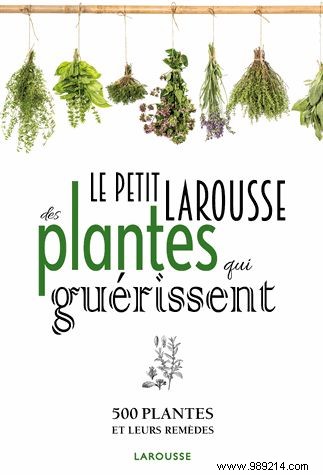
Turn to pharmacognosy, the science cataloging plants' therapeutic properties, through trusted resources rather than unverified websites. A prime example is the Petit Larousse of Healing Plants by Gérard Debuigne (herbal medicine specialist), François Couplan (ethnobotanist), and Thierry Folliard (herbalist and naturopath), recently reissued (Larousse editions - €19.95).
Scientific understanding evolves through rigorous clinical studies, yielding reliable data on plant effects—though not all species have been fully researched. A medicinal plant delivers therapeutic benefits without toxicity at standard doses, yet the line between healing and harmful can blur. Poisoning incidents occur, and some 'toxic' plants yield vital drugs, like digitalis, source of digoxin for heart failure treatment.
Medicinal plants extend far beyond infusions into established practices:
These therapies highlight plants' potent effects. Misuse or excess can harm—remember, 'natural' does not mean risk-free. Always prioritize safety and professional guidance.
