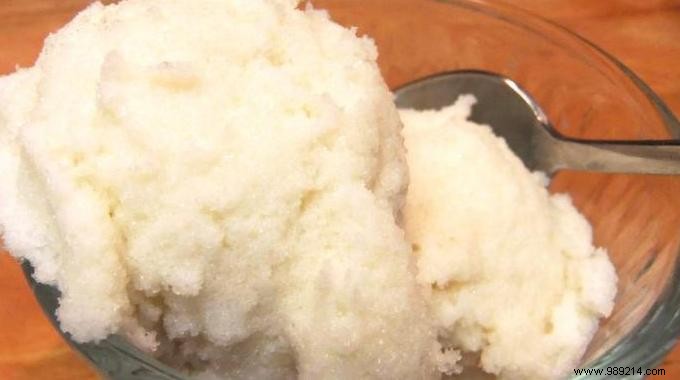
One of winter's simple joys is catching snowflakes on your tongue. But as seasoned outdoor enthusiasts know, eating snow comes with serious health risks—unless you're in a true survival situation like being stranded in the mountains.

1. As our grandparents warned, the extreme temperature shock from snow can disrupt your digestive system, leading to diarrhea and ruining your ski trip.
2. Snow rapidly draws heat from your body, raising hypothermia risks beyond just stomach issues. Plus, snowmelt is highly demineralized and offers poor hydration.
3. Bacteria like those causing salmonella can lurk in snow, especially risky for kids. Snow crystals even form around dust particles— a stark reminder it's not pristine.
1. In emergencies, melt clean, fresh snow (free of debris) using a stove, then boil thoroughly to kill pathogens. Aim for water heated above 80°C, but full boiling is best.
2. Remineralize by adding a pinch of salt, bouillon, or tea. Stir vigorously to aerate and improve digestibility.
Eating snow is best avoided for good health. Opt for carried water or proven alternatives on your winter adventures.
