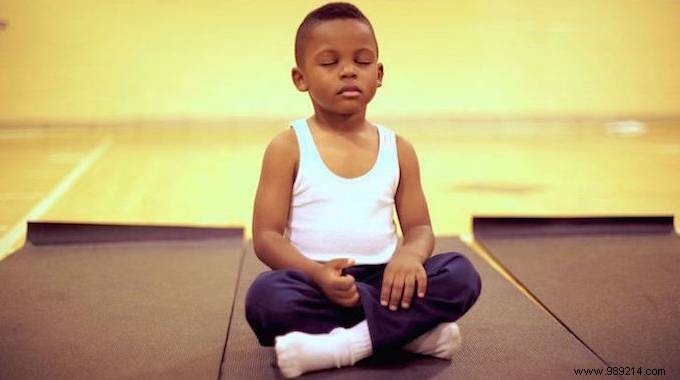
You've likely heard about innovative school discipline approaches in the U.S. Last year, an American elementary school replaced detention with meditation. Now, a French college is following suit.
No more traditional detention—hello, mindfulness! Here's what you need to know.

This groundbreaking method is gaining traction. Traditional detention often fails to change behavior, with the same students returning repeatedly across generations. Why not explore evidence-based alternatives to support struggling students?
Coleman Elementary School in Baltimore pioneered this shift. Instead of isolating misbehaving students during extended detention, they connect them with a meditation specialist. The focus: calming the mind, building serenity, and improving concentration.
Results speak volumes—no expulsions since implementation. Stressed, anxious, or physically unwell students also benefit, fostering a healthier school environment.
In northern France, Charles-de-Gaulle College in Jeumont has adopted the same model. Teacher Marie-Aude Lanniaux leads the charge, as shared in La Voix du Nord: "The goal is to bring positivity to what was once just punishment. Resistant students—those defiant toward learning or authority—respond well. They emerge calmer and more relieved. Lessons improve with heightened attention."
A simple "Do Not Disturb: Meditation in Progress—Downloading Happiness and Well-Being" sign marks the session door. For 20 minutes, students replace guilt and isolation with serenity, reducing recidivism and promoting growth.
This student-centered strategy merits wider adoption. Academic success hinges on emotional development. For meditation exercises tailored to kids and teens, check recommended resources on the topic.
