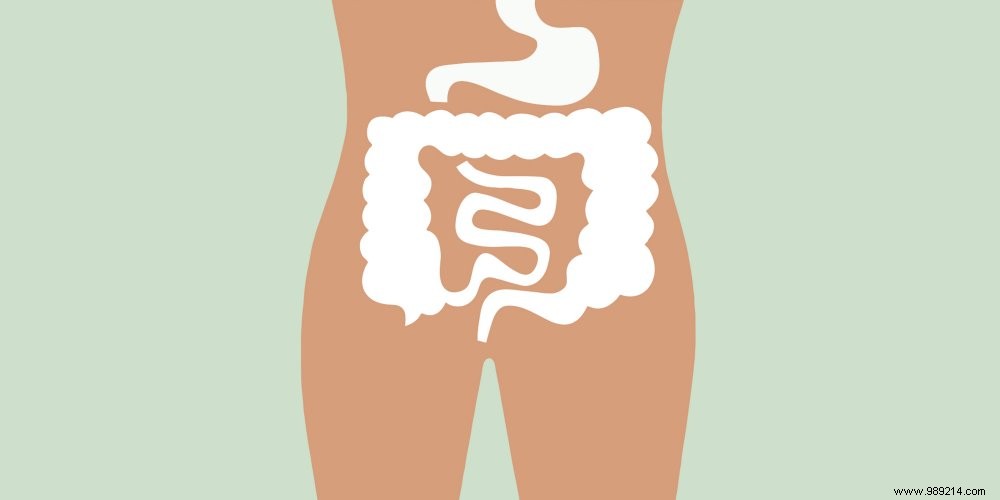
 Recent discoveries about the gut ecosystem are transforming diets and pharmaceuticals. But what exactly is the microbiota?
Since scientists elevated the gut to "second brain" status, studies and books have illuminated its far-reaching role beyond mere digestion. Gluten-free, dairy-free, and low-FODMAP diets are surging in popularity, while probiotics stock pharmacy shelves.
What precisely is this intestinal microbiota capturing global attention?
"The medical revolution has only just begun," declares Dr. Serge Rafal, a former Attaché en Premier at Tenon Hospital. In his book Take Care of Your Colon (Leduc.s Éditions), his second on the topic, he highlights the paradigm shift from microbiota research: "Since 2010, bacteria are no longer public enemy number 1; they open new healing horizons and become de facto our allies."
Why now? "From 1990 to 2004, medical research focused on sequencing the human genome. In 2010, advances revealed that 99% of microbiota bacteria are anaerobic—thriving without oxygen," explains Dr. Rafal. This invalidated prior stool analyses. Science now scrutinizes the billions of bacteria, viruses, fungi, and yeasts forming the intestinal flora, which weighs 1.5 to 2 kg in our bodies. A new medical era unfolds.
With 400 square meters of absorption surface, 100 trillion bacteria and enzymes, and 200 million neurons in direct communication with the brain, the intestinal microbiota governs vital functions and mood. This second brain produces 95% of serotonin—a key neurotransmitter for emotional regulation—and dopamine, the happiness hormone. On the contrary, when imbalanced, the system falters.
Here's how: The gut extracts nutrients from food to fuel organs and defenses, serving as the body's first barrier against toxins. When harmful bacteria overwhelm beneficial ones, they spark local inflammation. Persistent issues damage the mucosa, causing intestinal hyperpermeability or 'leaky gut.' Toxins flood the bloodstream, fueling systemic inflammation and diseases—from IBS to cardiovascular, allergic, metabolic, and neurodegenerative conditions. The gut and its flora are central to health; nurturing them is essential.
A thriving intestinal flora bolsters immunity. Dr. Rafal's expert recommendations:
Action 1: Revamp your diet. Eliminate inflammatory culprits like refined sugars, unhealthy fats, and hard-to-digest substances. Prioritize generous portions of vegetables and fruits—though sensitive individuals should avoid gas-inducing options.
Action 2: Reduce gluten, dairy, FODMAPs (fermentable sugars in certain foods), and other allergens.
Action 3: Replenish with probiotics, especially after antibiotics. "The microbiota imbalances easily—stay vigilant," advises Dr. Rafal. Travel abroad? A dietary shift can trigger traveler's diarrhea; probiotics are key. Chew each bite 30-40 times for better satiety and assimilation. Incorporate daily natural probiotics like fermented milks, sauerkraut, tempeh, and soy miso.
Ongoing microbiota experiments yield groundbreaking results, heralding novel therapies. For instance, transplanting gut bacteria from a lean mouse to an obese one prompts weight loss. "Some bacteria are voracious, devouring calories like Pac-Man," summarizes Dr. Rafal.
Another: Introverted mice grafted with bacteria from bold 'explorer' mice gain confidence and energy. "The microbiota influences body type and personality," notes the doctor. Pharma giants are developing targeted probiotics—psychobiotics, allergobiotics, rheumatobiotics—expected within two years.
Promising too: Fecal microbiota transplants, washed and purified. Approved in France for severe colitis, stool banks operate in the Netherlands. Other nations explore uses for Crohn's disease and obesity. The future looks bright.
Read also:
