Vicarious Surgical, a Massachusetts-based innovator, is developing mini-robots that enable surgeons to perform precise operations remotely from inside the body.
Picture this: In an operating room, doctors make a tiny incision to insert a mini-robot into the patient's abdomen. Hundreds of miles away, a surgeon dons a VR headset, grips controllers, and takes command. This isn't science fiction—it's the vision of Vicarious Surgical, an MIT-founded startup turning it into reality.
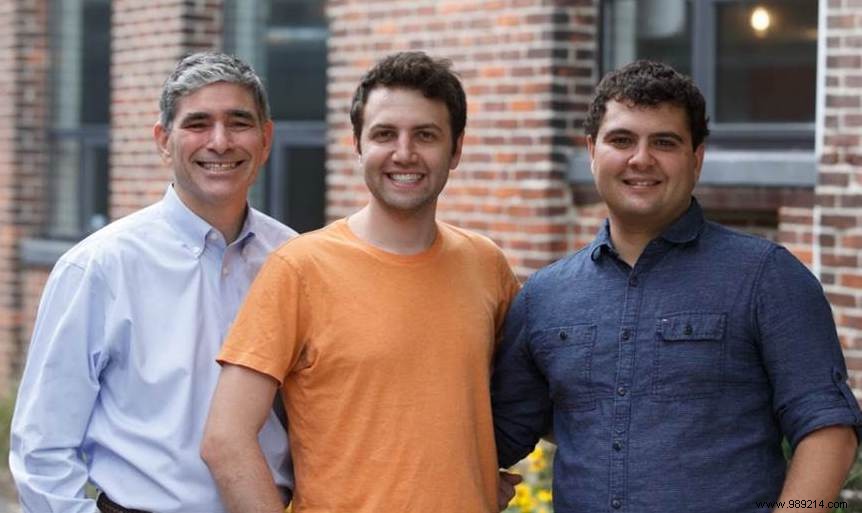
Founded by MIT PhD alumni Adam Sachs and Sammy Khalifa about five years ago in Charlestown, Massachusetts, Vicarious Surgical has engineered compact robots with dual arms and a camera-equipped head for intra-body procedures. Surgeons control them remotely via VR, unrestricted by incision-site limitations. As Sachs told TechCrunch, the surgeon "could be in another room or hundreds of miles away (provided you have a great internet connection)".
The project has drawn heavyweights like Bill Gates' Gates Frontier fund, Khosla Ventures, Eric Schmidt's Innovation Endeavors, and Jerry Yang's AME Cloud Ventures. To date, the company has raised nearly $32 million. The medical robotics market, valued at around $90 billion by Allied Market Research, underscores the potential.
This technology promises broad applications, starting with minimally invasive surgeries. Beyond tech innovation, Vicarious aims for social impact by expanding access. "Minimally invasive surgeries and surgical robotics are the future—and it's just beginning," says Dror Berman, CEO of Innovation Endeavors. "Of 313 million surgeries, only 900,000 used robotics—a tiny fraction, and they're prohibitively expensive for most patients. Vicarious is about democratizing this access."
Long-term, Vicarious envisions equipping not just major U.S. hospitals but rural clinics worldwide. Currently, the team tests prototypes virtually and in labs; per TechCrunch, details on animal trials remain undisclosed.
