As health and environmental experts emphasize, reusing single-use plastic water bottles can pose serious risks. These containers often harbor toxins and foster bacterial growth.
It's common to refill plastic bottles with tap water to save money or reduce waste. Yet, as highlighted in GEO magazine, this habit is unwise. Look for the number inside the recycling triangle on most bottles, indicating the plastic type. The most prevalent are 1, 2, and 7.
Type 1, polyethylene terephthalate (PET), is standard for water, soda, and disposable cups. Fully recyclable and energy-efficient to produce, it's relatively eco-friendly—but its low heat resistance promotes bacterial growth.
Type 2, high-density polyethylene (HDPE), is tougher and longer-lasting, often used in large containers like those for laundry detergent or soap (up to 3.5 liters). Type 7 includes polycarbonates and other miscellaneous plastics, some reusable like baby bottles. However, these may contain bisphenol A (BPA), a known endocrine disruptor.
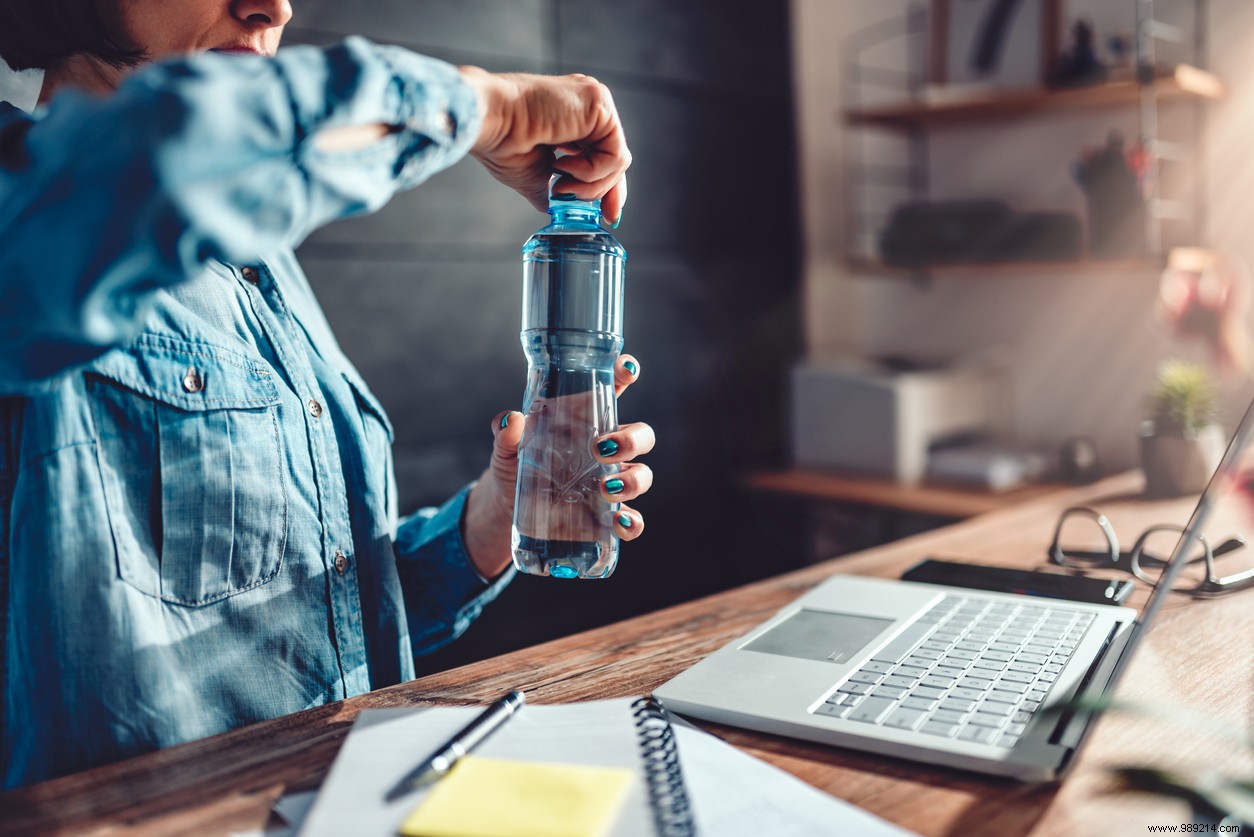
Though BPA has been banned in France for nearly a decade, reusing plastic bottles raises concerns about chemical leaching. Repeated use can release substances like antimony from PET into your water, with studies showing varying results.
More concerning is bacterial proliferation. Scientific consensus confirms that reusable bottles—and even single-use ones refilled multiple times—harbor alarmingly high bacteria levels. Microbes multiply rapidly, so regular, thorough cleaning is essential for any reusable container to prevent germ buildup.
