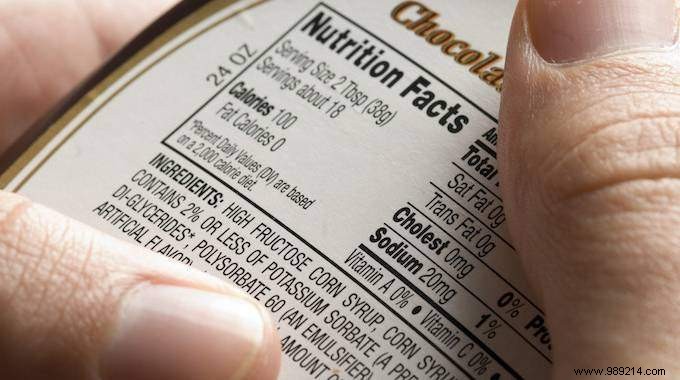
Artificial flavors, colors, preservatives, emulsifiers, and sweeteners have become staples in processed foods for over 40 years. As a nutrition expert with years of experience reviewing food labels and research, I've seen how these can impact health and the environment. Growing awareness helps us make informed choices—here's how to spot them on labels.

Below are 19 of the most common additives backed by studies linking them to health concerns. This isn't exhaustive, but mastering these will empower your shopping. Spot one? Consider alternatives.
These synthetic chemicals mimic natural tastes but offer no nutrition. They appear in bread, cereals, yogurts, soups, and smoothies. Research associates them with neurotoxicity, endocrine disruption, reproductive issues, and cancer risk.
Wheat faces heavy pesticide use and genetic modifications. 'Enriched' means refined flour stripped of nutrients, then fortified with niacin (B3), thiamin (B1), riboflavin (B2), folic acid, and iron—but it doesn't restore full value. Applies to rye and other grains too.
Fractionation heats and cools oils like palm, creating unhealthy solid fats. Hydrogenation turns natural oils (soy, corn, canola, coconut) into trans-fat-like preservatives via extreme heat, making them shelf-stable but potentially harmful.
MSG (E621) enhances umami but hides in 'natural flavors,' yeast extracts, and more. Not required on labels always. The glutamate portion may contribute to migraines, neurological issues, endocrine disorders, and diseases like Parkinson's or Alzheimer's. Common in soups, sauces, chips, and meats.
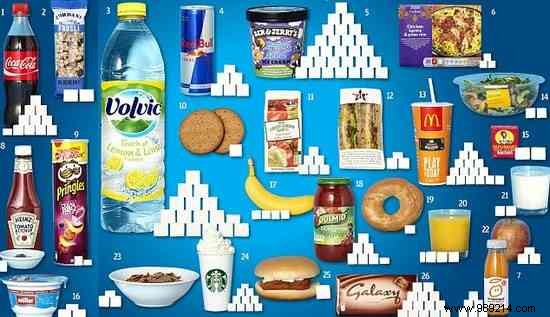
Added sugars lurk in drinks, sauces, snacks, and even baby formula—equivalent to soda per serving. They disrupt metabolism, raise blood pressure, impair hormones, and damage the liver, mimicking alcohol's effects. Opt for natural sources only. Explore: 3 healthy sugar substitutes.
Sodium benzoate (E211) and potassium benzoate (E212) preserve foods like cider, dressings, jams. Combined with vitamin C, they may form benzene, a carcinogen. Studies, including Prof. Peter Piper's, show mitochondrial DNA damage.

Oncologists flag colors like Blue (cancer in mice), Red (thyroid tumors in rats), Green (bladder cancer), and Yellow (adrenal/kidney tumors). Found in candies, drinks, baked goods.
Acesulfame-K (E950) is 200x sweeter than sugar, FDA-approved but linked to thyroid tumors in rats at low doses. Manufacturing uses methylene chloride, a potential carcinogen.
600x sweeter, in 'zero-calorie' products like Canderel. Contains chlorocarbons (carbon tetrachloride, etc.), chlorine-based chemicals unfit for metabolism. Common in protein shakes and diet drinks.
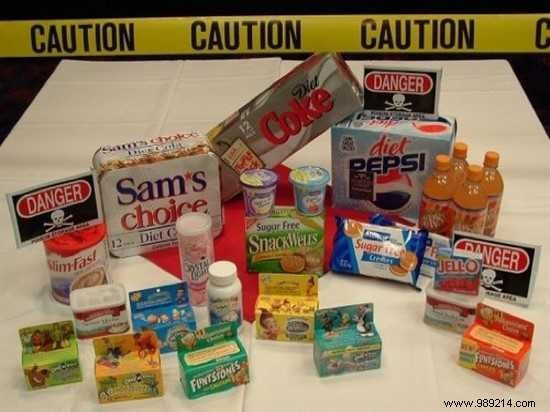
200x sweeter (NutraSweet, Canderel), in diet foods and gums. Studies suggest carcinogenic potential even in low daily doses. Check candies like Stimorol.
For a full avoidance list, click this link.
BHA (E320) and BHT (E321) extend shelf life in cereals, gum, chips, oils. They may form carcinogenic reactions as oxidants.
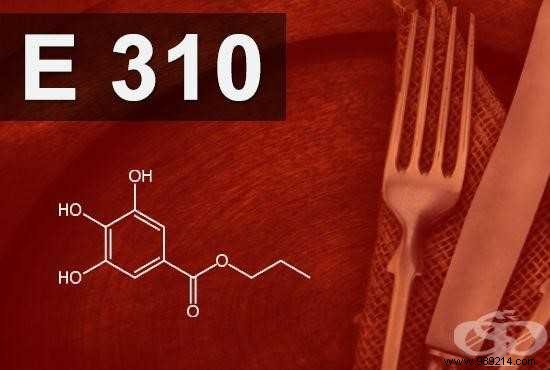
(E310) pairs with BHA/BHT in meats, soups, gum. Animal studies link to cancer, allergies, hyperactivity.
Refined table salt differs from natural sea salt. Excess in processed foods raises concerns—choose unrefined alternatives.
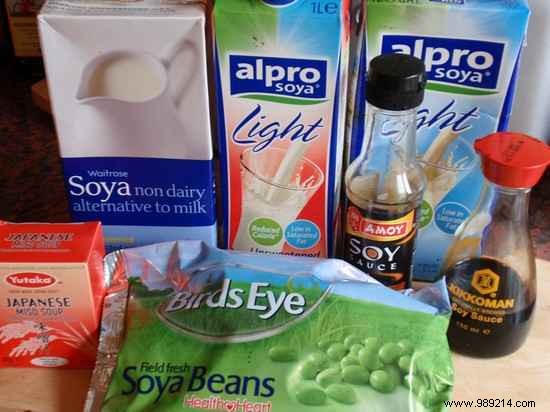
In 60% of products as protein, oil, lecithin. Often GMO, may affect fertility, estrogen, libido, puberty. Only organic fermented soy is safer—not in processed foods.

High GMO rates in starch, dextrose, oil. Excess omega-6 promotes inflammation, cancer, heart disease. Aim for omega-3/6 balance.
(E202) ubiquitous in ice cream. Studies show cell mutations, toxicity; long-term effects unknown but concerning.
From GMO soy waste, high in solvents/pesticides. In ice cream, chocolate.
(E433) emulsifier impairs immunity, linked to infertility, aging, organ changes. In ice cream, fast food, vaccines, cosmetics.
GMO rapeseed, insect-repellent toxic. Promoted as safe despite origins.
