As the Christmas holidays approach, choosing the right gifts for children becomes crucial. Experts strongly recommend steering clear of plastic toys due to significant health risks from harmful chemicals and their lasting environmental damage.
Plastic is everywhere in modern life, and children's toys are no exception. Many contain phthalates—chemical plasticizers derived from phthalic acid, known to irritate eyes and the respiratory tract. While phthalates have been banned in toys for nearly 20 years, a 2018 European Chemicals Agency (ECHA) study found that 20% of plastic toys still harbor them, underscoring ongoing risks despite regulations.
Most plastic toys are manufactured in Asia with little transparency in production processes. These operations are highly energy-intensive, polluting, and water-consuming. Shipping millions of toys across thousands of kilometers adds a substantial carbon footprint. At end-of-life, they often end up in landfills, as electronic components, batteries, and mixed materials make recycling nearly impossible.
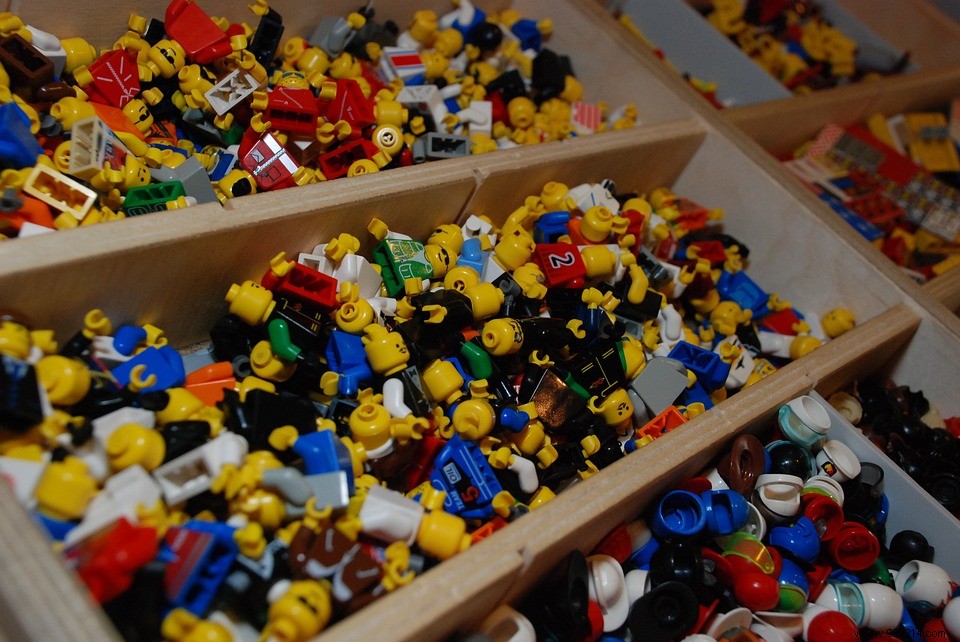
Vintage plastic toys pose additional hazards. An old toy from the attic might contain now-banned substances like phthalates, lead, or cadmium in paints. For instance, LEGO sets from the 1970s and 1980s should be avoided. Child safety experts advocate for durable, natural materials like wood as safer alternatives.
Related articles:
