There is no proven cure for tinnitus today, but Elon Musk believes Neuralink's brain chip could change that by around 2027. He recently affirmed this potential in response to a Twitter query.
Tinnitus manifests as phantom noises—hissing, buzzing, or crackling—in one or both ears or the head, without any external sound source. It stems from dysfunction in the auditory nervous system. In France, roughly one in four people experiences it, with cases ranging from temporary episodes to chronic conditions.
Current options like vasodilators show limited effectiveness. While antiepileptics, antidepressants, and anxiolytics are sometimes used, they aren't standard treatments. In 2020, Irish researchers introduced a device designed to modify the activity of auditory neurons linked to tinnitus.
Research in this field advances steadily. On April 24, 2022, Elon Musk tweeted about Neuralink, his company pioneering brain-machine interfaces to address numerous neurological conditions, potentially offering a breakthrough cure.
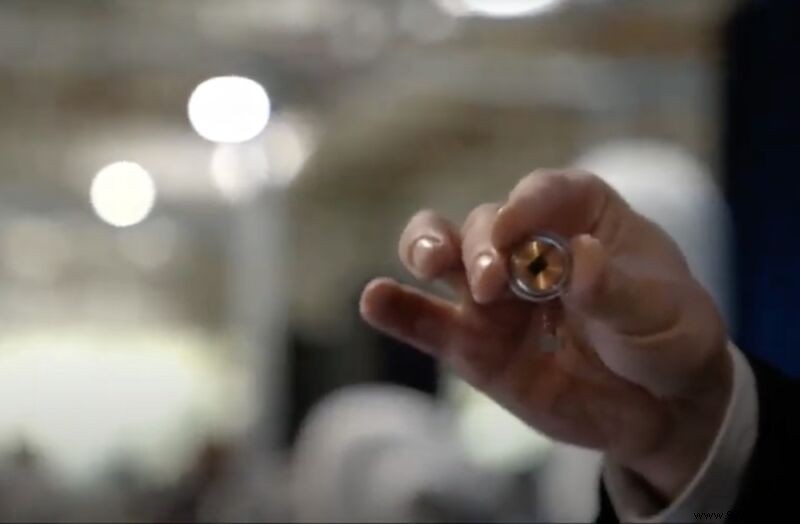
When asked directly if Neuralink's implant could treat tinnitus, Musk replied it would be possible in less than five years. He noted the current device is a versatile read/write system with about 1,000 electrodes, but tinnitus treatment might require fewer than a thousand.
First, however, Neuralink must secure approval from the U.S. Food and Drug Administration (FDA), a critical step for any new therapy. The company aims to tackle conditions like Alzheimer's and Parkinson's while enhancing human cognition. Its reputation faced scrutiny in 2022 when an animal rights group reported that about one-third of test monkeys suffered and died during experiments.
