A King's College London review of 24 studies uncovers the profound psychological toll of mandatory quarantine during outbreaks like COVID-19, with practical strategies to lessen its impact.
The COVID-19 pandemic prompted health authorities worldwide to enforce quarantine measures to curb the virus's spread. For weeks, millions were confined to their homes, limiting movement and social contact. Experts at King's College London analyzed the psychological impacts of such restrictions.
This research affirms quarantine's value in containing viruses like COVID-19—when implemented promptly and effectively—while highlighting its mental health consequences.
The team reviewed 24 studies from 10 countries, examining quarantine effects during prior outbreaks including SARS, Ebola, H1N1 influenza, and Middle East Respiratory Syndrome (MERS).
Key findings: Many experienced post-traumatic stress and depression persisting months or years post-quarantine. Participants also reported intense fear and anger.
Those with pre-existing mental health conditions faced heightened risks, and longer quarantine durations amplified the effects.
"Quarantine is a profoundly isolating and often frightening experience, with effects lingering for months or years," says lead author Samantha Brooks.
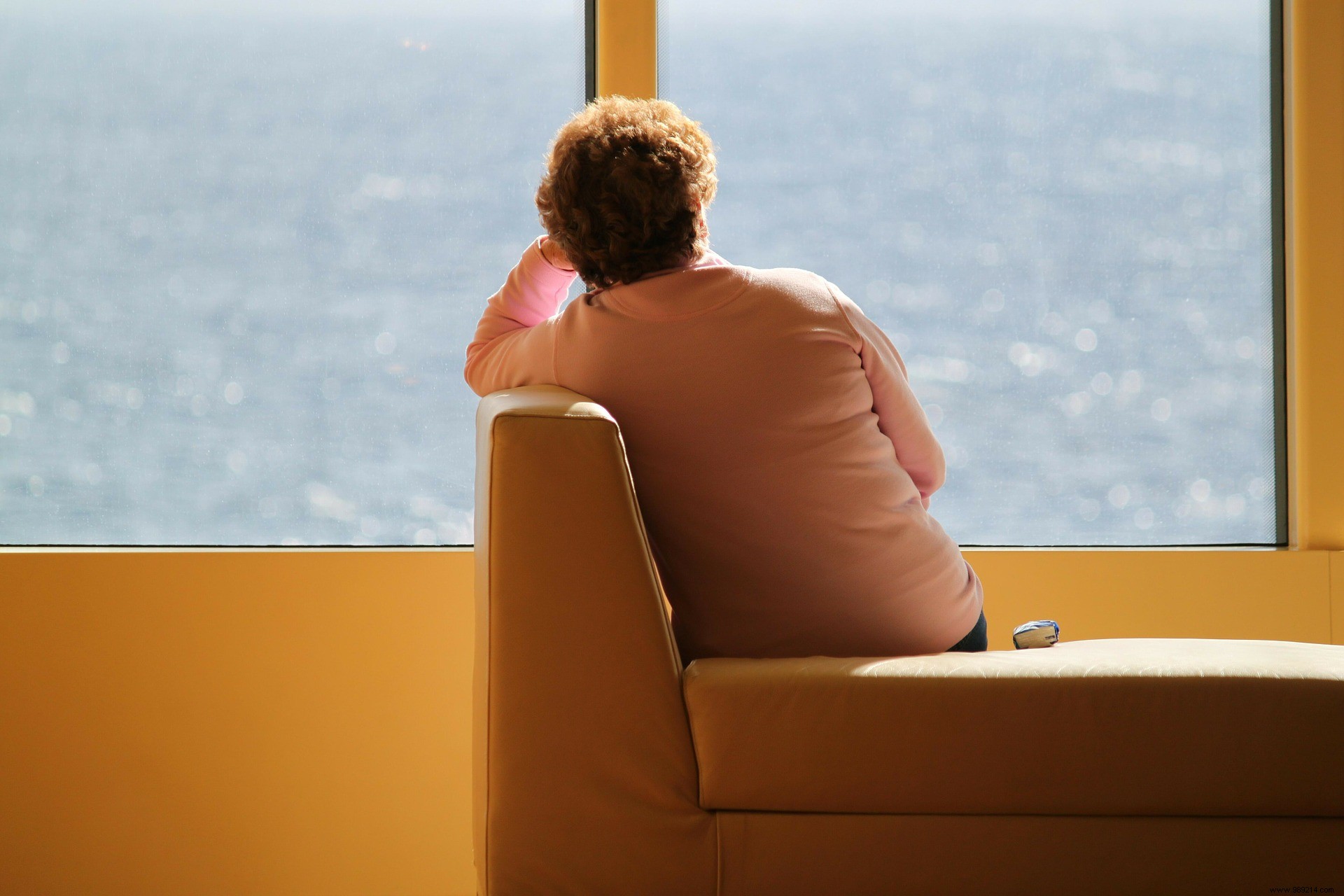
Poor communication from authorities emerged as the primary driver of distress—many lacked clarity on quarantine length, exacerbating anxiety. Humans thrive on social connection; isolation takes a heavy toll.
Post-quarantine, financial strain was common due to delayed return to work from ongoing mental health challenges.
Authorities must prioritize mitigation, the researchers urge.
"Quarantined individuals already fear infection; isolation fuels worst-case thinking, worsened by unclear information," notes co-author Neil Greenberg. "Provide consistent updates, especially on duration, keep periods short, and avoid changes except in extremes."
Source
Related articles:
