Emerging research highlights cannabidiol (CBD)—a non-psychoactive compound from industrial hemp—as a potential addition to treatments for opioid withdrawal symptoms and drug-resistant epilepsies. Backed by clinical studies, here's what the evidence shows.
Opioid addiction poses a significant public health challenge in OECD countries, including France.
Data from the National Agency for the Safety of Medicines and Health Products (ANSM) reveals that prescriptions for opioids like codeine, fentanyl, and methadone more than doubled (+150%) from 2006 to 2017.
Hospitalizations linked to prescription opioid analgesics nearly tripled (+167%) between 2000 and 2017, rising from 15 to 40 per million inhabitants. Overdose deaths surged by 146%, reaching "at least one death every 42 hours," per Health Insurance reports.
While ministerial pain management initiatives since 1998 contributed to increased use, opioids' addictive nature—with moderate to severe withdrawal—has spurred research into alternatives. CBD's analgesic, relaxing, and anti-inflammatory effects make it a logical candidate.
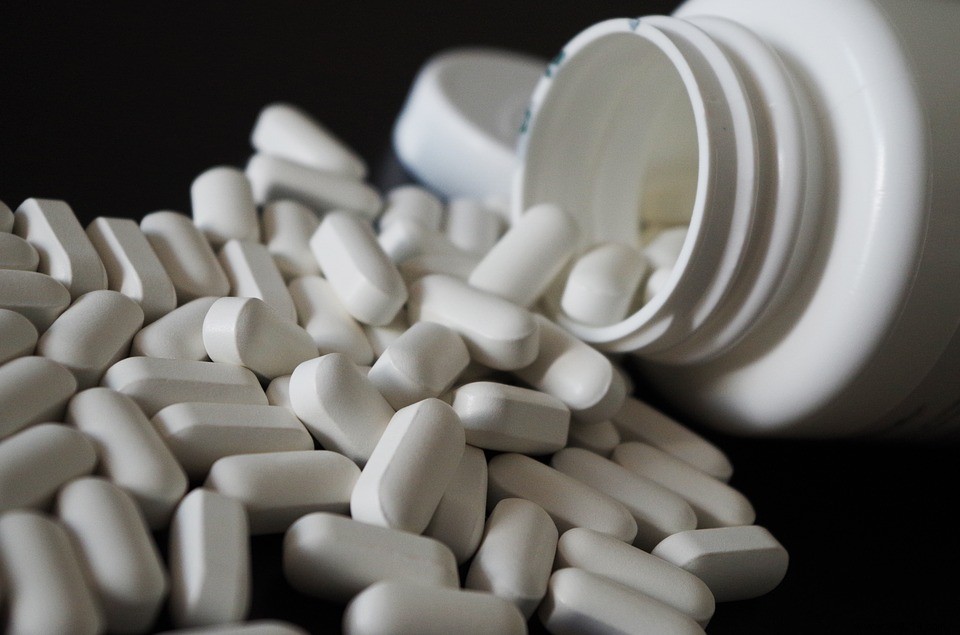
A 2021 Health Economics study found U.S. states like California, Maine, Massachusetts, and Nevada saw a -7.6% drop in opioid-related ER visits post-recreational marijuana legalization—but only in the first six months.
More positive findings include a British Medical Journal analysis showing 17% fewer opioid overdose deaths with "one or two cannabis dispensaries per county." A journal Addiction study noted heroin users in weaning programs consumed less when using recreational cannabis.
Opioid cessation triggers symptoms akin to withdrawal: psychic (dysphoria, cravings, anxiety, insomnia) and physical (myalgia, chills, nausea, diarrhea, agitation, sweating, goosebumps, tachycardia), peaking on day three.
A October 22, 2021 meta-analysis of 144 studies concluded:
Larger trials are needed to confirm CBD's full potential.
Affecting over 700,000 in France—the most common neurological disorder after migraines—epilepsy leaves 20-30% of cases refractory to standard treatments, as noted by Epilepsie France on World Epilepsy Day 2021.
The Ministry of Solidarity and Health launched a two-year trial evaluating CBD and THC for refractory epilepsy, plus cancer pain, neuropathies, spasticity, and palliative care.
In March 2021, Health Minister Olivier Véran witnessed the first CBD prescription at Clermont-Ferrand University Hospital. Protocols use 100% CBD oil, optionally 50/50 CBD/THC. Results expected mid-2023.
NYU's Professor Orrin Devinsky (2017-2018) showed CBD improves daily life in severe epilepsies.
A double-blind trial with 10% CBD oil reduced atonic seizures by -42% in Lennox-Gastaut syndrome children; side effects were mild (transient GI issues, drowsiness).
Another trial cut Dravet syndrome seizures by 50% in 43% of children (vs. 27% placebo).
A non-randomized study saw 50% seizure reduction in 52% of refractory patients.
While not a cure-all, CBD bolsters options for neurological disorders, pain, stress, and anxiety. France's trial will provide further insights.
With 7 million users, France's €300 million CBD market grew from 400 to over 2,000 stores (2020-2021), per Interchanvre and LSA Conso—despite legal shifts.
A 2021 ban on CBD flowers was overturned by the Council of State as disproportionate (THC <0.3%, non-psychotropic), aligning with WHO's view of no abuse risk.
Growth drivers:
