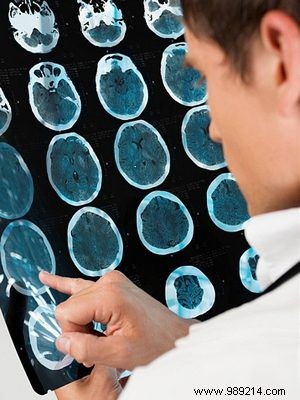
Leading scientists, including PhD researcher Wytske Hofstra at VUmc, have uncovered a compelling connection between epilepsy and the body's biological clock. Her groundbreaking work reveals that epileptic seizures follow predictable patterns rather than occurring randomly.
Key Facts
Epilepsy is a prevalent neurological disorder characterized by recurrent seizures. In the Netherlands, approximately 121,000 individuals live with epilepsy, and about one-third continue experiencing seizures despite optimal drug treatment (2020 data).
The 24-Hour Rhythm
Hofstra's research demonstrates that seizures adhere to a distinct 24-hour rhythm, influenced by the time of day. Additionally, whether someone is a morning person or evening person—tied to their biological clock—plays a role, prompting adjustments in medication timing for better control.
Epilepsy even shapes daily routines, affecting sleep patterns, wake times, and overall activity organization.
More information about epilepsy
These findings offer significant benefits for epilepsy patients and healthcare providers. Understanding the interplay between the biological clock and seizures empowers patients to optimize medication timing aligned with seizure rhythms or personal chronotypes. Clinicians and researchers can also schedule seizure studies more effectively for accurate results.
