The consumer advocacy group UFC-Que Choisir has released a concerning report revealing that more than half of fruits and vegetables from conventional intensive agriculture are tainted with problematic substances. Organic options fare much better but come at a higher cost.
Building on our 2017 infographic highlighting pesticide residues in produce, UFC-Que Choisir's March 24, 2022, survey updates the data from 14,000 official health checks. It shows that over half of conventionally grown fruits and vegetables contain risky pesticides.
Precisely, 51% contain at least one hazardous pesticide, and 30% have traces of two or more. For instance, 27.4% of grapefruits tested positive for pyriproxyfen, an endocrine disruptor linked to brain malformations in Brazil.
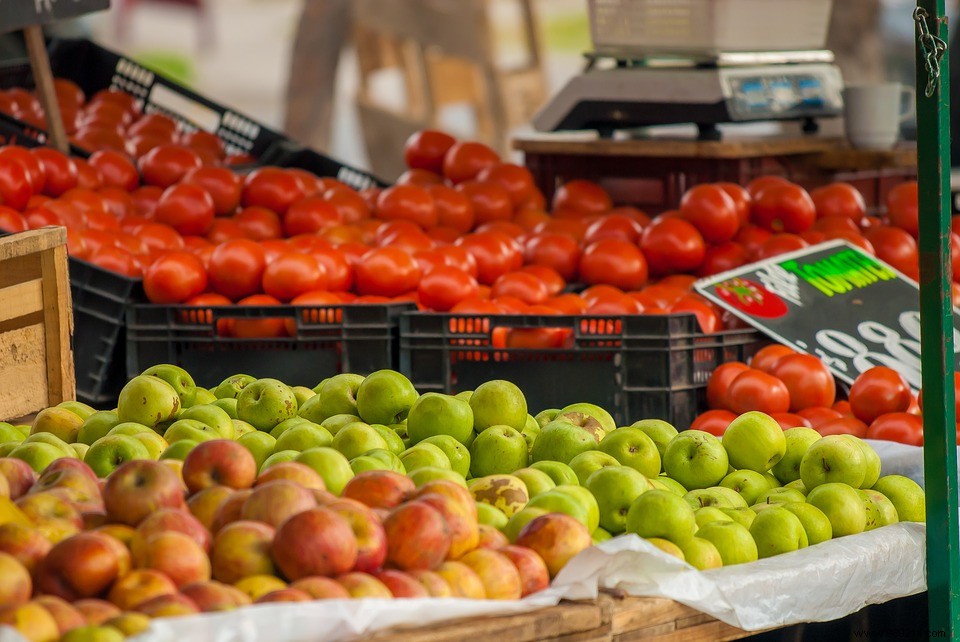
Apples top the list of concern, with more than 80% of samples showing residues, including fludioxonil—a suspected endocrine disruptor—in 48% of cases. Cherries are also highly affected, up to 92%, notably by phosmet, an insecticide associated with negative reproductive effects in 47% of samples.
UFC-Que Choisir recommends opting for organic produce, which is far less contaminated due to bans on synthetic pesticides. Only 1 in 10 organic samples shows traces—six times lower than conventional—and levels are generally much lower when present.
While organic is a smart choice, the group criticizes its premium pricing as unjustified, blaming lax regulations on pesticide approvals. They urge stronger oversight in France and Europe to protect consumers and reduce contamination.
