The family of acclaimed actor Bruce Willis recently shared that he is retiring at age 67 due to aphasia, a neurological condition impairing language and communication. Symptoms vary widely depending on the damage's severity and location in the brain.
Renowned for his roles in blockbuster films, Bruce Willis is stepping away from acting amid cognitive challenges from a recent aphasia diagnosis, as announced by his family on social media.
Aphasia describes the impaired ability to use or understand language following brain damage. It can emerge suddenly after a stroke or head injury, or develop gradually due to brain tumors or neurodegenerative conditions.
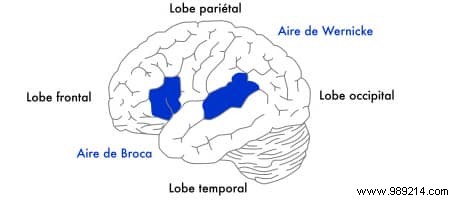
Aphasia falls into two primary categories: fluent and non-fluent. The most common non-fluent type, known as Broca's aphasia, results from damage to the frontal lobe. Those affected often speak in short, effortful sentences, omitting key words, and struggle to comprehend others. This frontal damage may also cause weakness or paralysis on the right side of the body.
In fluent aphasia, or Wernicke's aphasia, damage affects the left temporal lobe's Wernicke's area. Individuals produce lengthy, convoluted sentences filled with unnecessary or invented words, while facing significant challenges in understanding speech.
The specific type of aphasia affecting Bruce Willis remains undisclosed.
Seek immediate medical attention if speech becomes unintelligible to others, comprehension of sentences fails, or reading and writing prove difficult. Brain imaging, such as MRI, pinpoints the affected areas.
Recovery is possible for many, with the extent depending on severity. Speech-language therapy, initiated promptly upon symptom onset, helps rebuild communication skills. Ongoing research explores medications to enhance cerebral blood flow, promote neural recovery, and support neurotransmitter function.
