Health authorities worldwide recommend consuming at least five servings of fruits and vegetables daily for optimal nutrition. However, conventional produce often carries pesticide residues that can undermine these benefits.
Opting for organic products, ideally from local and sustainable farms, is a smart choice to minimize exposure. Drawing from the European Food Safety Authority (EFSA) annual reports, which analyze over 70,000 food samples yearly, we've compiled this evidence-based list. These studies detect residues from 338 distinct pesticides in everyday foods.
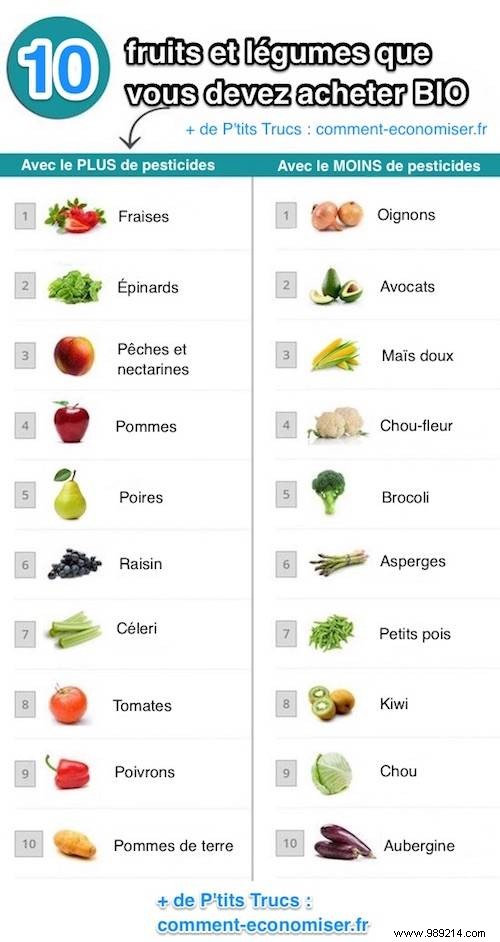
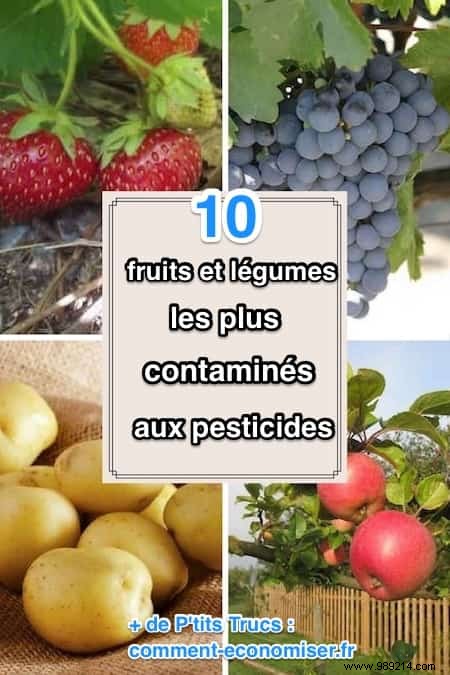
Pesticide residues may disrupt the nervous and hormonal systems, irritate the lungs and skin, and are linked to carcinogenic risks. Below is the ranking of the 10 most contaminated fruits and vegetables, from 10th (least contaminated among these) to 1st (most contaminated), based on EFSA data.
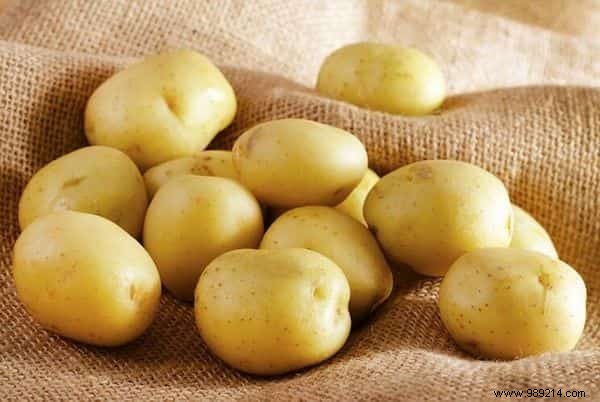
Potatoes face heavy treatment with anti-sprouting agents, fungicides, pesticides, and insecticides—common for this staple, affordable vegetable yet one of the most residue-laden.
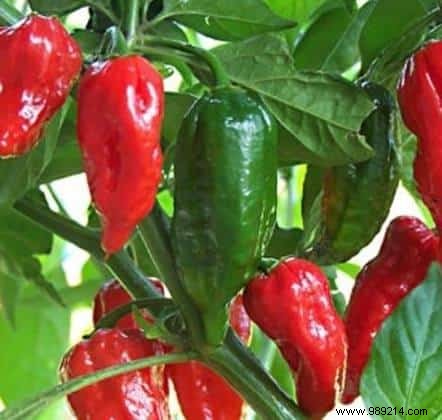
Peppers attract numerous pests, leading to intensive chemical applications in commercial farming. Studies show two-thirds of samples contain notable pesticide residues.
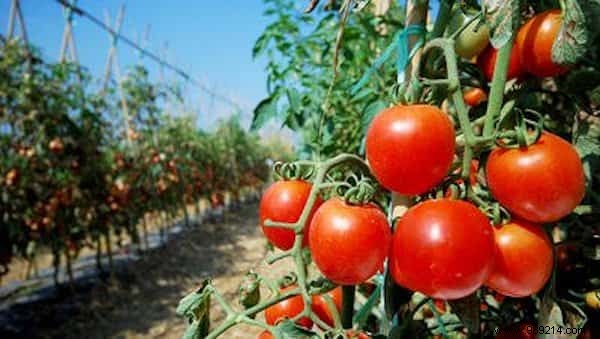
Imported tomatoes, such as those from Spain, frequently test positive for carbendazim, chlorothalonil, iprodione, and procymidone. Prioritize organic or locally grown French varieties.

Celery samples reveal up to 60 different pesticide residues, despite its reputation as a low-calorie, health-promoting vegetable. Choose organic to avoid these contaminants.
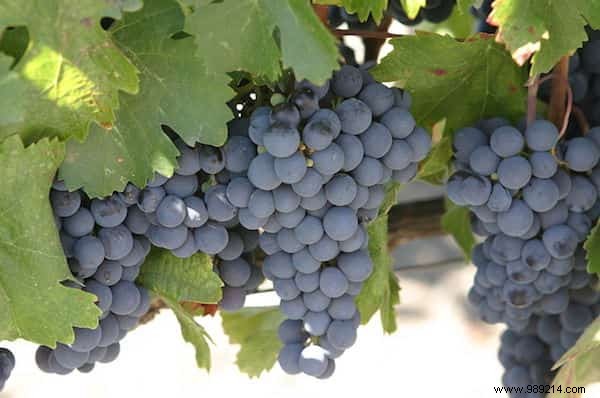
Over 80% of grapes show contamination, with residues concentrating on the unpeelable skin. Vineyard workers in producing regions report elevated rates of cancers, respiratory issues, skin damage, and infertility—prompting recommendations for organic grapes and wine.
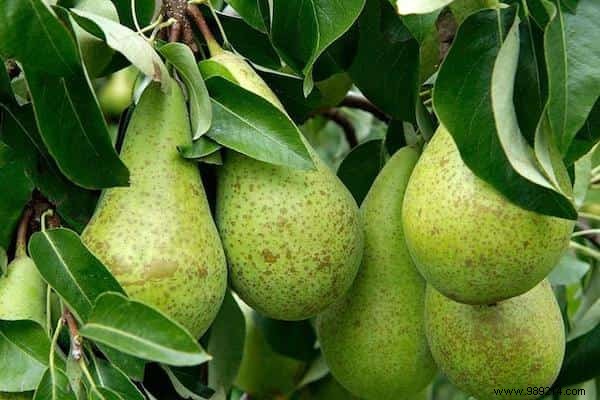
EFSA data indicates a sharp rise in pear contamination over five years: from trace levels in 2010 to 5-6 fungicides or insecticides per sample by 2015.
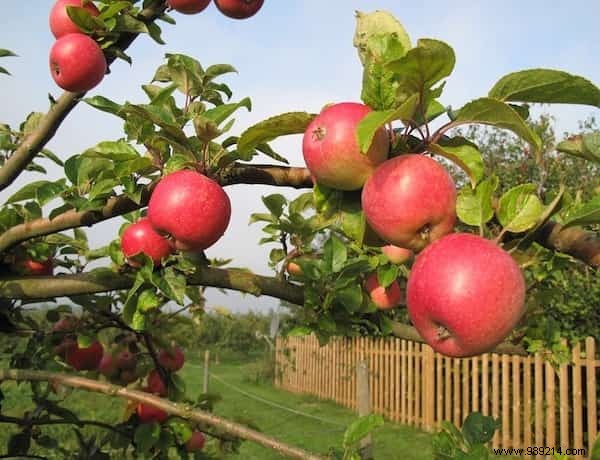
Apples undergo extensive pesticide applications to combat worms and insects. In France's Limousin region, a major producer, aerial pesticide levels during treatments have led to health alerts, including rises in neurological disorders.
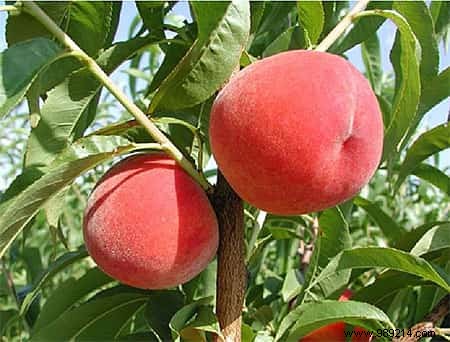
These stone fruits receive similar intensive treatments as apples, with 73% of samples exceeding EU pesticide limits.
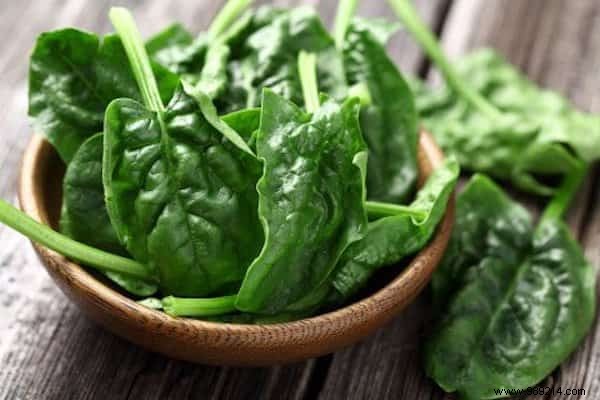
Spinach contains 7-16 pesticide types, including the neurotoxin permethrin. Despite its iron-rich profile, organic is essential for safety.
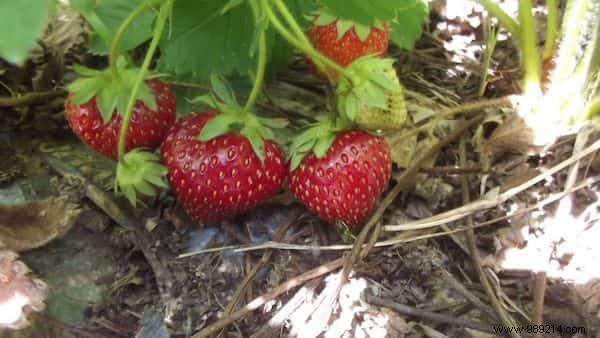
Strawberries top the list, averaging over 7 pesticides per sample. Their porous skin retains residues even after thorough washing.
1. Onions
2. Avocados
3. Sweet Corn
4. Cauliflower
5. Broccoli
6. Asparagus
7. Peas
8. Kiwifruit
9. Cabbage
10. Eggplant
