Struggling to get a good night's sleep? It might not be stress, noise, or decor—it's likely the temperature.
A proper bedroom temperature is key to restorative sleep. It shouldn't be too hot or too cold.
As someone who battled chronic sleep issues for years, I can confirm: a few degrees made all the difference. I've reclaimed deep, refreshing sleep, and science backs it up.
Learn the ideal bedroom temperature for better rest, supported by health authorities like INSV and ADEME.
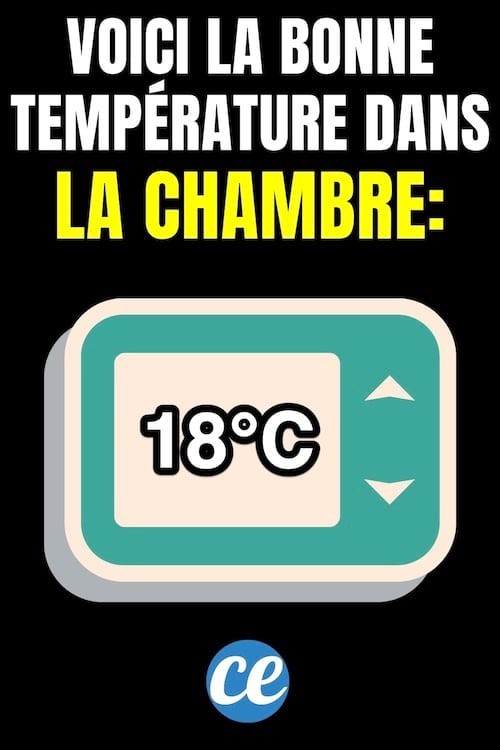
The French National Sleep Institute (INSV) recommends 16-18°C for bedrooms to promote restful sleep. ADEME agrees, noting it's ideal for adults with proper bedding.
This range supports deep, uninterrupted sleep cycles and healthier air quality, especially for allergy sufferers.
Our bodies regulate core temperature via the hypothalamus, dropping 1-1.5°C to initiate sleep. A cool room facilitates this natural process.
Invest in an affordable thermostat (under €10) to monitor and maintain it effortlessly.
Below 16°C, falling asleep becomes challenging. Your body works overtime to generate heat, disrupting relaxation and preventing deep sleep.
Cold extremities like icy hands or feet signal poor rest.

Excess heat leads to tossing, turning, and frequent wake-ups. It can cause headaches, poor circulation, dry air, fatigue, irritability, and reduced focus the next day.

Close curtains and shutters at dusk to retain heat and cut energy costs. Ventilate 10 minutes morning and evening to refresh air, reduce humidity, and improve heating efficiency—without spiking bills.
Choose breathable linens like flannel, linen, or silk for year-round comfort. Avoid cranking heat or AC; use them sparingly to prevent dryness or headaches.
A thermostat ensures steady 16-18°C overnight.
Try time-tested methods: Take a warm bath with essential oils 1 hour before bed to raise and then lower body temperature while relaxing.
Opt for cotton pajamas and underwear—they regulate moisture better than synthetics or wool.
Hemp sheets offer thermostatic properties, comfort, and eco-friendliness (no pesticides needed).
Wear a nightcap to retain head heat, socks for cold feet, or use a hot water bottle/heated blanket. Paradoxically, sleeping nude under a good duvet boosts circulation.
Beat the heat with proven strategies for cool, sound sleep.
Eat light dinners 2-3 hours before bed, avoiding alcohol or stimulants to aid digestion and temperature drop.
Keep water bedside; sip to cool down. Block daytime heat with closed shutters/windows, then create evening cross-breezes.
Wait 2 hours post-workout. Take a lukewarm shower pre-bed—don't dry off fully. Unplug electronics, use a fan with a water bowl for evaporative cooling, or try these hacks.
A cooling pillow keeps your head comfortable.
Newborns need 18-20°C—slightly warmer than adults. See our full article for details.
