With the war in Ukraine escalating fears of nuclear incidents across Europe, sales of iodine tablets have surged following Russian operations near Chernobyl and Zaporozhye nuclear plants. In France, these are distributed only under official authority guidance.
On February 27, 2022, Vladimir Putin placed Russia's deterrent forces—its nuclear arsenal—on high alert. Days earlier, Russian forces seized the Chernobyl plant, followed by Europe's largest, Zaporozhye, a week later. Details around Zaporozhye's capture remain unclear, with Russia denying responsibility for a fire that posed catastrophic risks.
This has sparked widespread anxiety in Europe, driving a boom in potassium iodide tablet sales, especially in countries closer to Russia like Bulgaria, Poland, and Romania. Reuters reported on March 3, 2022, that Bulgarian pharmacists, per Association President Nikolay Kostov, sold a year's worth of tablets in just one week.
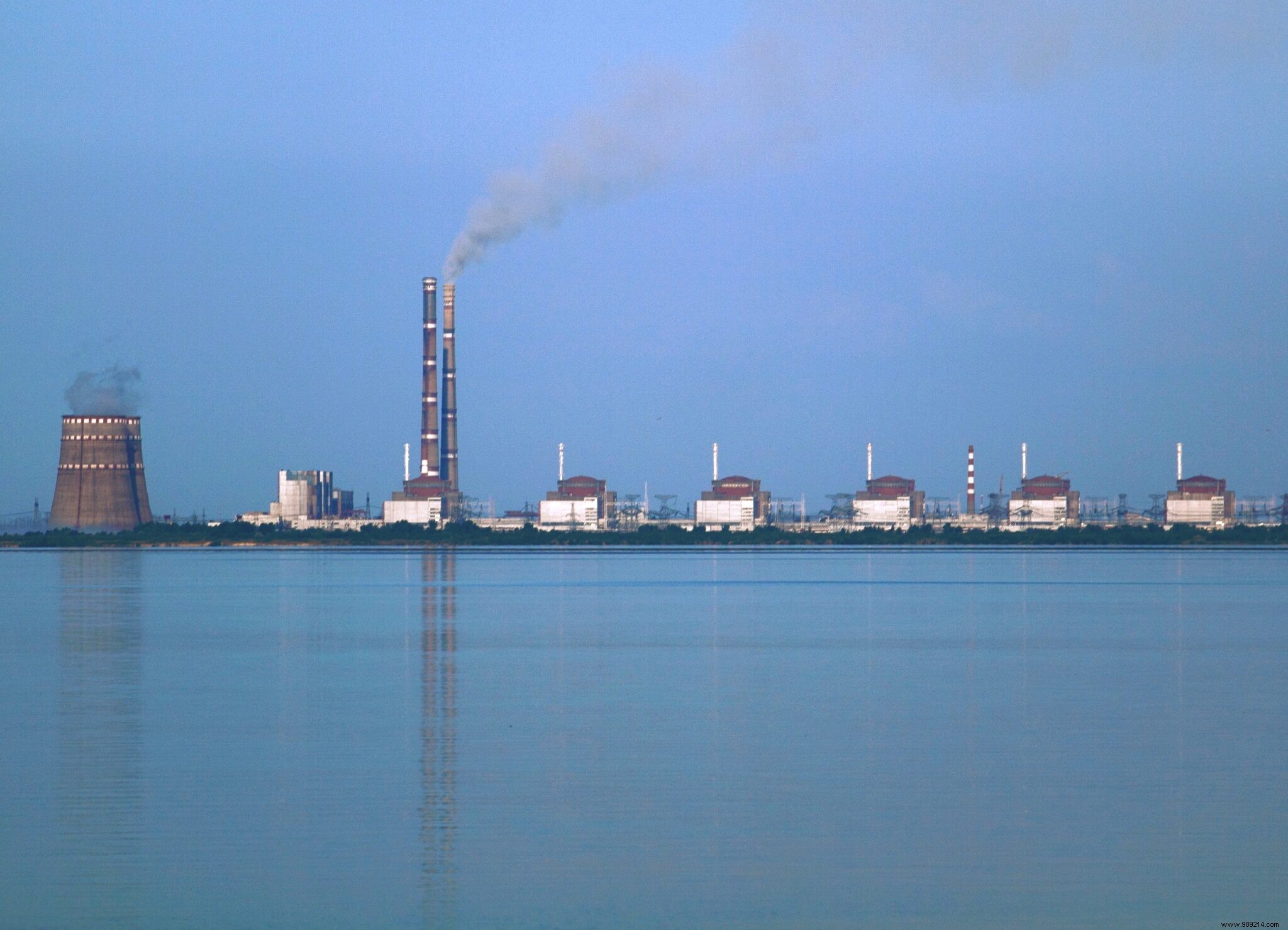
Demand is rising in Western Europe too, including Switzerland, Belgium, and France, where pharmacists field frequent requests—though less intense than near Russia. In France, tablets aren't sold over-the-counter; the government distributes them to those within 20 km of nuclear plants.
These tablets protect the thyroid from radioactive iodine (like I-131 from Chernobyl 1986) by saturating it, reducing cancer risk. However, they don't shield against other isotopes like cesium-134 or -137, nor broader radiation from nuclear attacks.
France's IRSN noted on March 2, 2022, that potassium iodide can cause serious heart and thyroid side effects. Experts stress the benefit only outweighs risks with confirmed radiation exposure—never self-medicate.
