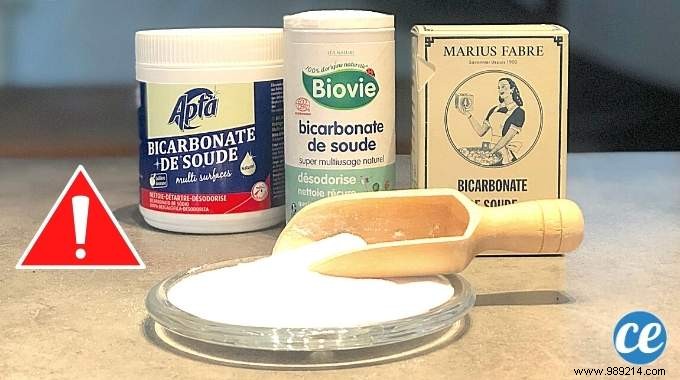
Baking soda is incredibly versatile, with endless applications from household cleaning to health remedies.
It's a staple in kitchens, gardens, and bathrooms for deodorizing, skincare, digestion, and more.
However, like any powerful substance, improper use can lead to risks. As experts in natural remedies and household safety, we've compiled the 7 key dangers of baking soda everyone should know to ensure safe, effective use:
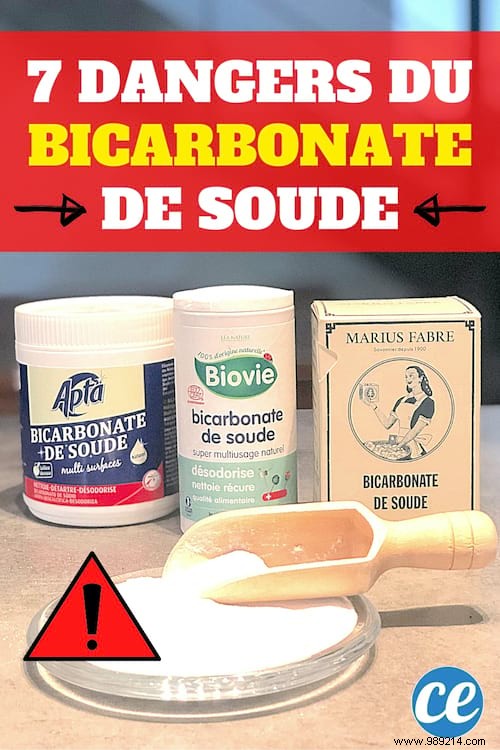
Baking soda is a natural, eco-friendly product safe for direct use in powder form, dissolved in water, or mixed with others—when selected correctly.
For household tasks like cleaning, laundry, fridge deodorizing, pipe unclogging, car cleaning, or sanitizing mattresses and rugs, opt for technical-grade baking soda. Never ingest it.
For consumption, choose food-grade baking soda, pure enough for cooking, toothpaste, deodorant, beauty care, or hygiene.
Pharmacy-grade is ideal for health uses like heartburn relief, digestion aid, nausea, flatulence, coughs, or antifungal applications (not weight loss).
Baking soda is safe, but don't mistake it for other white powders like caustic soda (irritating and dangerous) or sodium percarbonate (never ingest or apply to skin).
Store baking soda in its original packaging in kitchen or bathroom cabinets, away from lookalikes.
Baking soda is safe in moderation, but excessive ingestion—from 200 to 300 grams—can harm health. Everyday amounts are well within safe limits.
Due to its high sodium content, avoid daily intake after every meal or brushing teeth daily for whitening. Moderation prevents sodium overload, which could cause vomiting, diarrhea, headaches, nausea, swelling, or in severe cases, seizures or kidney issues.
Avoid internal use for pregnant women, children under 6, those on salt-free diets, with high blood pressure, stomach ulcers, heart/kidney failure, liver disease, respiratory acidosis, or metabolic alkalosis. Keep out of reach of children and consult a doctor first.
If on medication, avoid therapeutic doses of baking soda due to potential interactions. Cooking use is fine, but consult a doctor or pharmacist for remedies like heartburn relief.
Side effects are uncommon but may include swelling, weight gain, dizziness, muscle pain, or rare allergies (itching, hives, breathing issues). Consult a professional before first use and patch-test on skin.
Available at pharmacies (e.g., Cooper), organic stores, supermarkets like Auchan, Leclerc, Carrefour, Lidl. Find technical baking soda online here or food-grade here. Note: Baking soda and sodium bicarbonate are the same.
