Heart attacks can be fatal without prompt treatment, but emerging research shows retina scans could soon help prevent them. This routine eye exam, commonly used by ophthalmologists to diagnose and monitor eye conditions, may reveal hidden cardiovascular risks.
Cardiovascular disease remains the leading cause of premature death worldwide. In France alone, the French Federation of Cardiology reports around 50,000 premature deaths from cardiac arrest annually. One key indicator? Changes in the retina's blood vessels.
Researchers at the University of Leeds, UK, led a groundbreaking study published in Nature Machine Intelligence on January 25, 2022. Their findings demonstrate that analyzing retina scans can accurately predict heart attack risk. Retinal imaging is a standard, non-invasive procedure already familiar in eye care.
The team trained an AI model using deep learning on a dataset of 5,000 retina images, incorporating markers linked to heart attack risk. Results showed impressive accuracy rates of 70-80%.
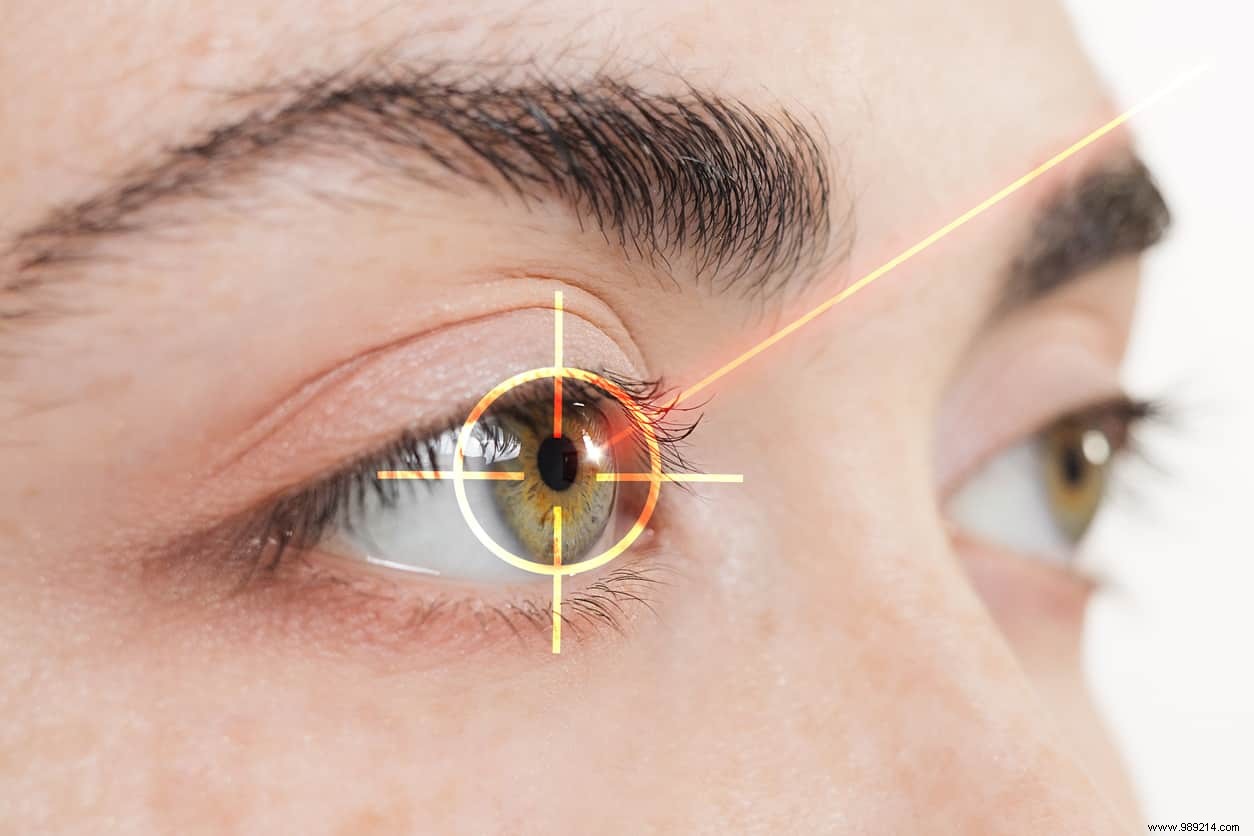
This innovation could transform heart disease screening. Retinal scanners are affordable and widely available in opticians' offices. Automated AI analysis would flag high-risk patients for prompt referral to cardiologists.
Remarkably, the AI assesses the left ventricle size—a critical factor in heart attack risk—from retina scans alone. Enlarged ventricles (hypertrophy) typically require echocardiography or cardiac MRI. Now, a simple ophthalmologist visit could detect these risks early, enabling timely preventive treatments and reducing premature deaths.
