Experts have long warned that failing to share COVID-19 vaccines with developing nations could spur dangerous new variants. The rapid spread of B.1.1.529, known as Omicron, serves as a stark example.
As COVID-19 cases surge worldwide, health ministers from France, the United States, Canada, Germany, Italy, Japan, and the United Kingdom convened in London to address the Omicron variant, deemed a "very high risk" globally by the WHO. Meanwhile, borders are closing, and wealthy nations prioritize third doses for their populations. But is this the most effective strategy?
Omicron's exact origin remains unknown, though it was first detected in South Africa. Many experts attribute its emergence to vaccine nationalism. While high-income countries roll out second and third doses, less than 6% of people in low-income countries have received even one dose.
The issue is clear: Widespread virus circulation increases mutation risks. Scientists, physicians, and advocates urged equitable vaccine distribution from the moment approvals were granted.
"For over a year, South Africa, Botswana, and others have urged world leaders to waive intellectual property rights on COVID vaccines, tests, and treatments," notes Tim Bierley, a pharmaceutical policy expert at Global Justice Now, in The Guardian. "This critical issue will be revisited at next week's World Trade Organization conference, but the UK and EU have so far blocked progress."
Adam Finn, a University of Bristol professor and member of the UK's Joint Committee on Vaccination and Immunization (JCVI), cautions that prioritizing boosters for low-risk groups in rich nations will backfire. "This isn't altruism—it's self-interest," he states. "Yet politicians dismiss global concerns as outside their scope."
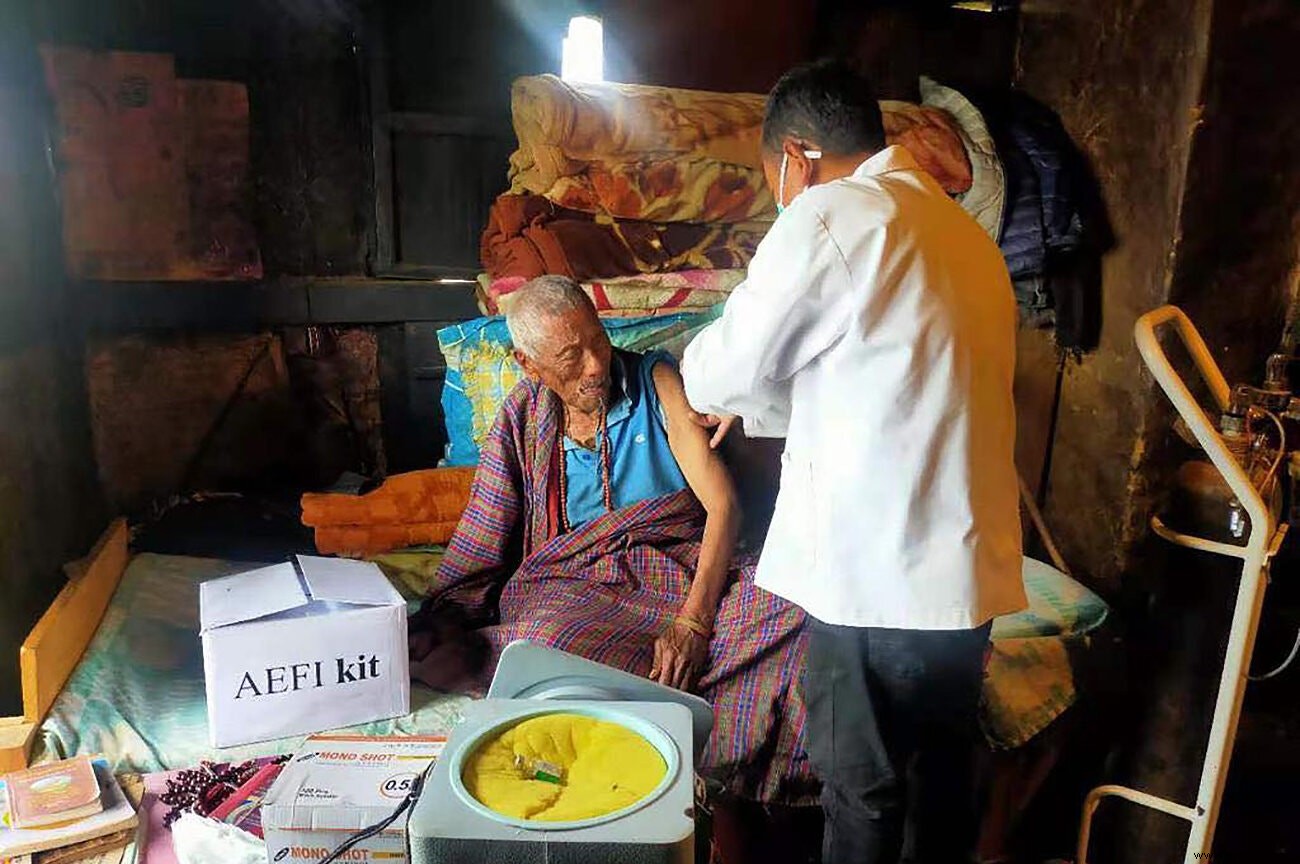
Western leaders often point to their unvaccinated populations, who are indeed more likely to transmit the virus. However, in our interconnected world, this remains a global pandemic. Until vaccination reaches everyone, new variants that evade tests or reduce vaccine efficacy pose ongoing threats.
