Heart attack and cardiac arrest are frequently confused terms, both signaling serious heart issues. But they represent distinct medical emergencies. Here's a clear, expert breakdown based on established cardiology knowledge.
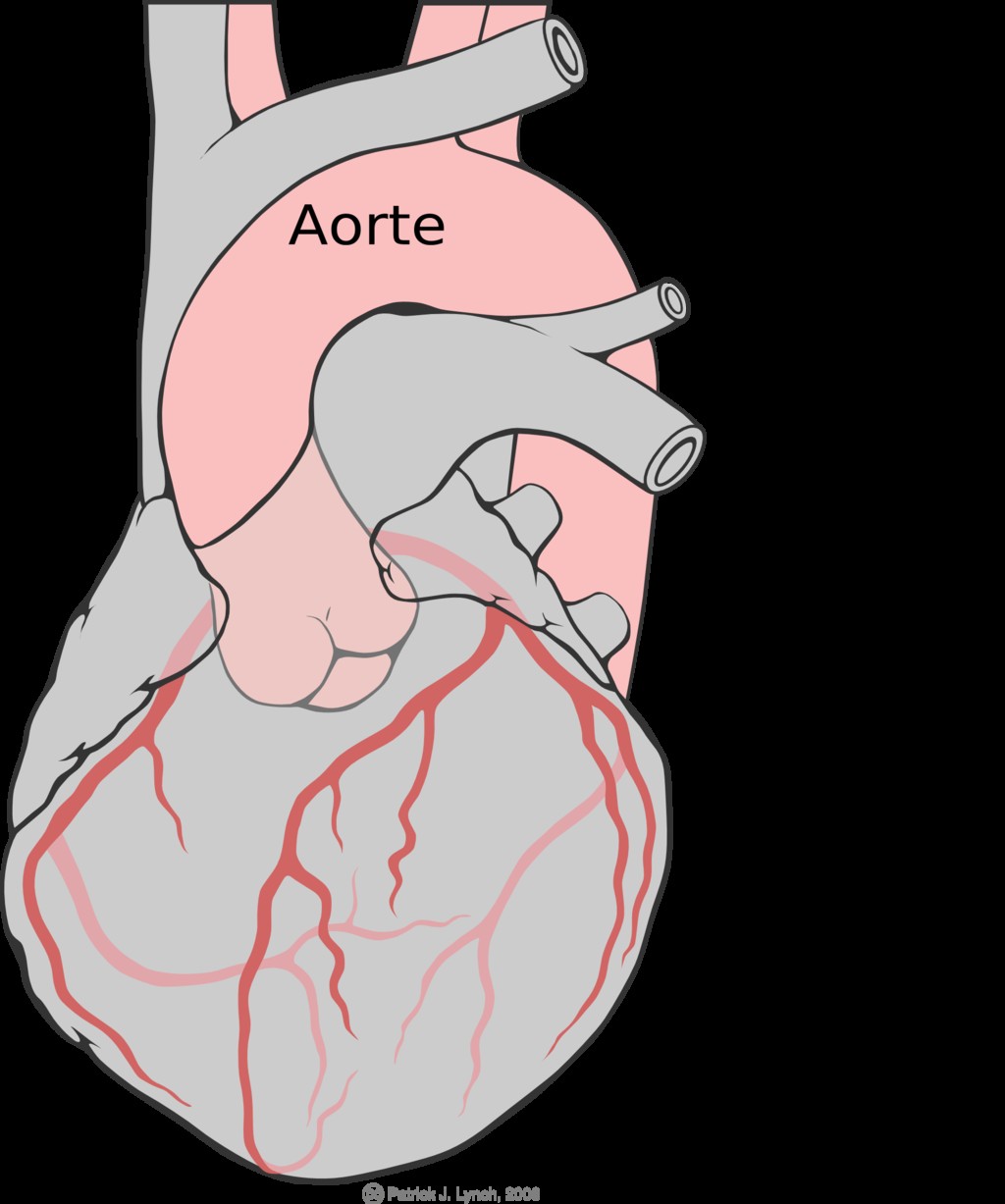
The heart's surface is supplied by coronary arteries originating from the aorta—the left and right coronary arteries. These vital vessels deliver oxygen-rich blood to the heart muscle (myocardium). A heart attack, or myocardial infarction, happens when one of these arteries becomes blocked, typically by plaque buildup from fats like LDL cholesterol.
Without prompt intervention, the blocked area starves of oxygen, leading to cell death. Damage severity depends on blockage duration—ranging from minor to irreversible—and in severe cases, it can be fatal.
Common symptoms in men and women include chest discomfort or pain. These can strike suddenly (e.g., tightness or intense pressure) or build gradually over weeks. Note: Not everyone feels chest pain—especially women, older adults, and diabetics. Watch for subtle signs like sudden fatigue, shortness of breath, malaise, or unusual left-arm sensations.
If symptoms arise or doubt lingers, call emergency services immediately (e.g., 15 for SAMU in France) or have someone do so. Stop all activity, sit or lie in the most comfortable position, and await help.
Cardiac arrest stems from an electrical malfunction causing arrhythmia—an irregular heartbeat. This disrupts coordinated contractions, halting effective blood pumping to the brain, lungs, and organs.
Unlike a heart attack, cardiac arrest strikes suddenly, often without prior warning. Key signs: dizziness, unresponsiveness, collapse, absent or gasping breaths.
Without immediate action like CPR or defibrillation, survival drops within minutes. For guidance, check the French Red Cross's engaging HENRY tutorial:
