Japanese researchers at Osaka University have achieved a medical milestone by transplanting laboratory-grown heart cells into a patient for the first time.
Cardiomyopathies are conditions that damage the myocardium, or heart muscle, impairing its ability to pump blood effectively throughout the body. In severe cases threatening life, a full heart transplant may be required.
Yet heart transplants are limited by donor shortages and significant risks, including lifelong immunosuppressive therapy to prevent rejection and the need for rigorous medical monitoring to guard against infections. For years, experts at Japan's Osaka University, led by Professor Yoshiki Sawa, have pioneered a safer, less invasive alternative.
Instead of replacing the entire heart, this approach involves implanting cardiac muscle cells directly onto damaged heart tissue.
The process begins with induced pluripotent stem cells (iPSCs) harvested from the patient. These versatile cells can be reprogrammed to an embryonic-like state and differentiated into cardiomyocytes—heart muscle cells.
After lab cultivation, the cells are embedded in thin, biodegradable sheets measuring about 4 cm wide and 0.1 mm thick. Surgically applied like a patch over scarred areas, these sheets enable the cells to secrete proteins that promote new blood vessel growth, enhancing heart function.
This method leverages the patient's own cells, minimizing rejection risks, and is far more accessible than sourcing whole donor hearts.
Until now, this technique had only been tested in preclinical models. On Monday, as part of an ongoing clinical trial, Professor Sawa's team performed the world's first human implantation—with excellent results.
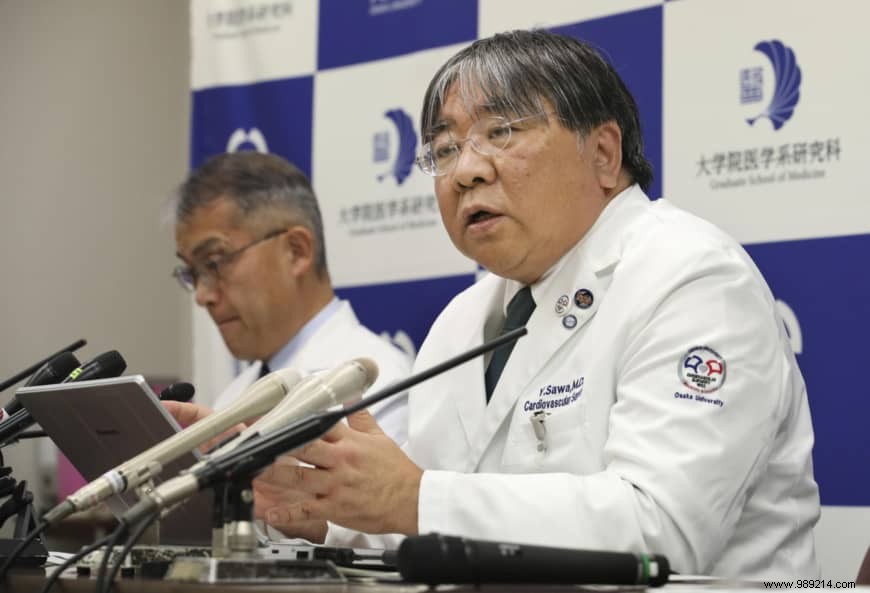
The team will monitor the patient closely over the next year and aims to treat nine more individuals with severe cardiomyopathy in the coming three years.
If trials confirm safety and efficacy, this innovation could emerge as a transformative alternative to traditional heart transplants.
Source
Related articles:
