A researcher in Cyprus reported finding a blend of Omicron and Delta variants, dubbed 'Deltacron.' However, leading scientists agree this is likely lab contamination, not a new strain.
Throughout the SARS-CoV-2 pandemic, viral rumors have spread quickly, but facts require scrutiny. As detailed in a France Info article on January 11, 2022, claims of a new variant lack solid backing. University of Cyprus professor Leondios Kostrikis told Bloomberg on January 8 about co-infections of Omicron and Delta, suggesting a hybrid called Deltacron. In truth, no recombination or fusion has been confirmed.
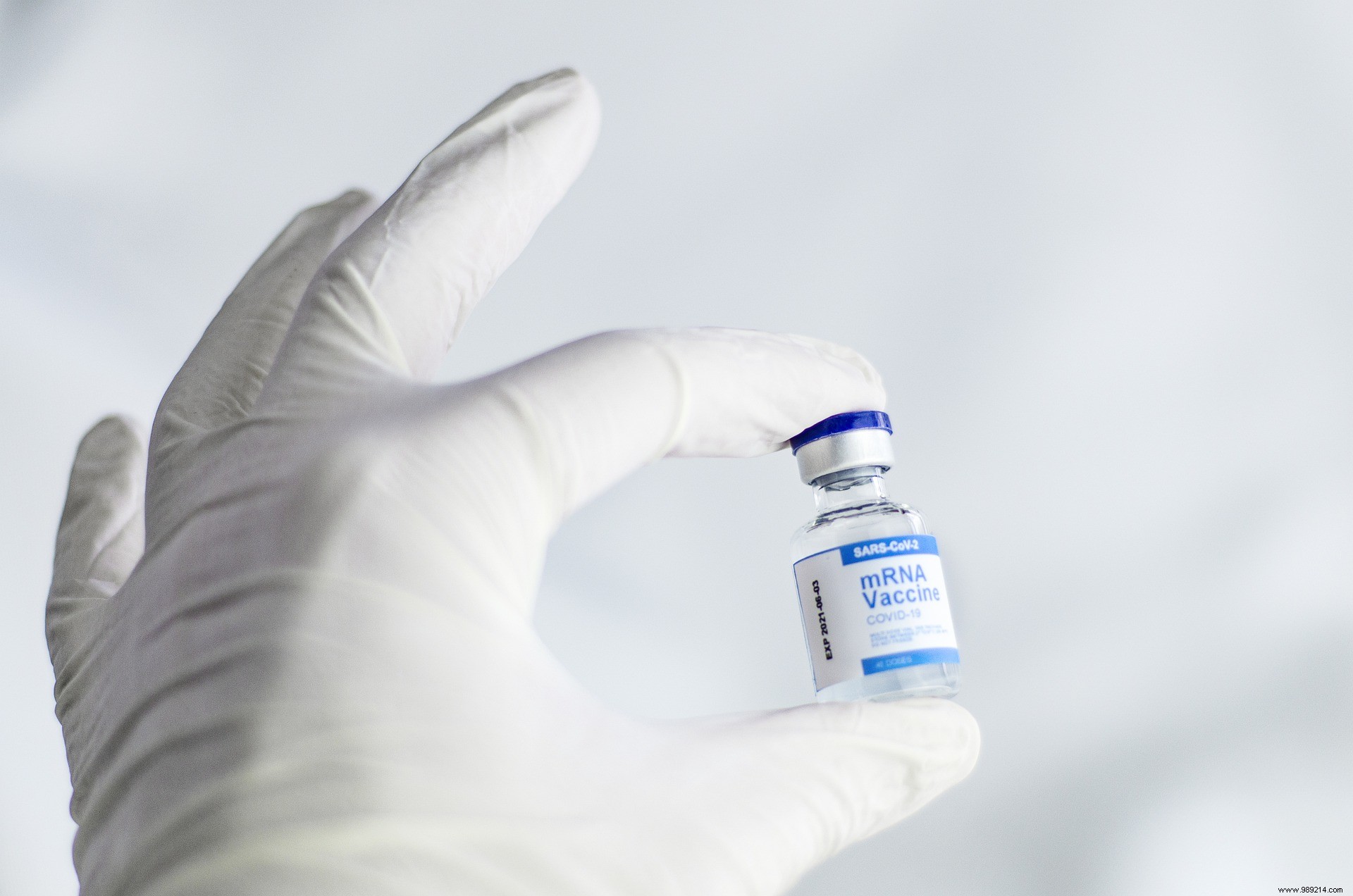
Scientific consensus points to laboratory contamination rather than a true merger. With both variants circulating widely, test samples often contain traces of each. Here, 'contamination' means genetic material from Omicron and Delta appeared in the same test, creating a false impression of a new variant.
After Kostrikis shared sequences on Gisaid, experts weighed in. French coronavirus specialist Florence Débarre noted on Twitter that virus sequencing resembles assembling a puzzle via computer analysis.
French molecular biologist Alexis Verger and UK virologist Tom Peacock from Imperial College London concur. Without clustering on phylogenetic trees, these sequences indicate contamination or a sequencing artifact—not genuine recombination. No new 'super-variant' exists, so panic is unwarranted.
