The global fight against COVID-19 continues amid concerns over the highly mutated Omicron variant. Amid recent worries, the World Health Organization (WHO) offers optimism: preliminary data indicates most Omicron cases are mild, and vaccines appear to retain their effectiveness against this strain.
Scientists are still piecing together Omicron's story. On November 24, South African researchers first alerted the WHO to this new SARS-CoV-2 variant, initially thought to have emerged there. Emerging evidence now points to its presence in Europe at least 11 days earlier and in Nigeria weeks before. The exact origin—South Africa, Europe, Nigeria, or elsewhere—remains unclear.
WHO officials report early signs that Omicron infections are mostly mild, aligning with observations from Dr. Angelique Coetzee, a South African physician who first flagged the variant.
Patients typically experience "very, very mild symptoms", such as intense fatigue, headaches, and body aches lasting one or two days. Notably, no cases have reported loss of smell or taste, or significant drops in oxygen levels. In South Africa, most patients have been managed at home.
These findings may evolve in coming weeks as more data emerges.
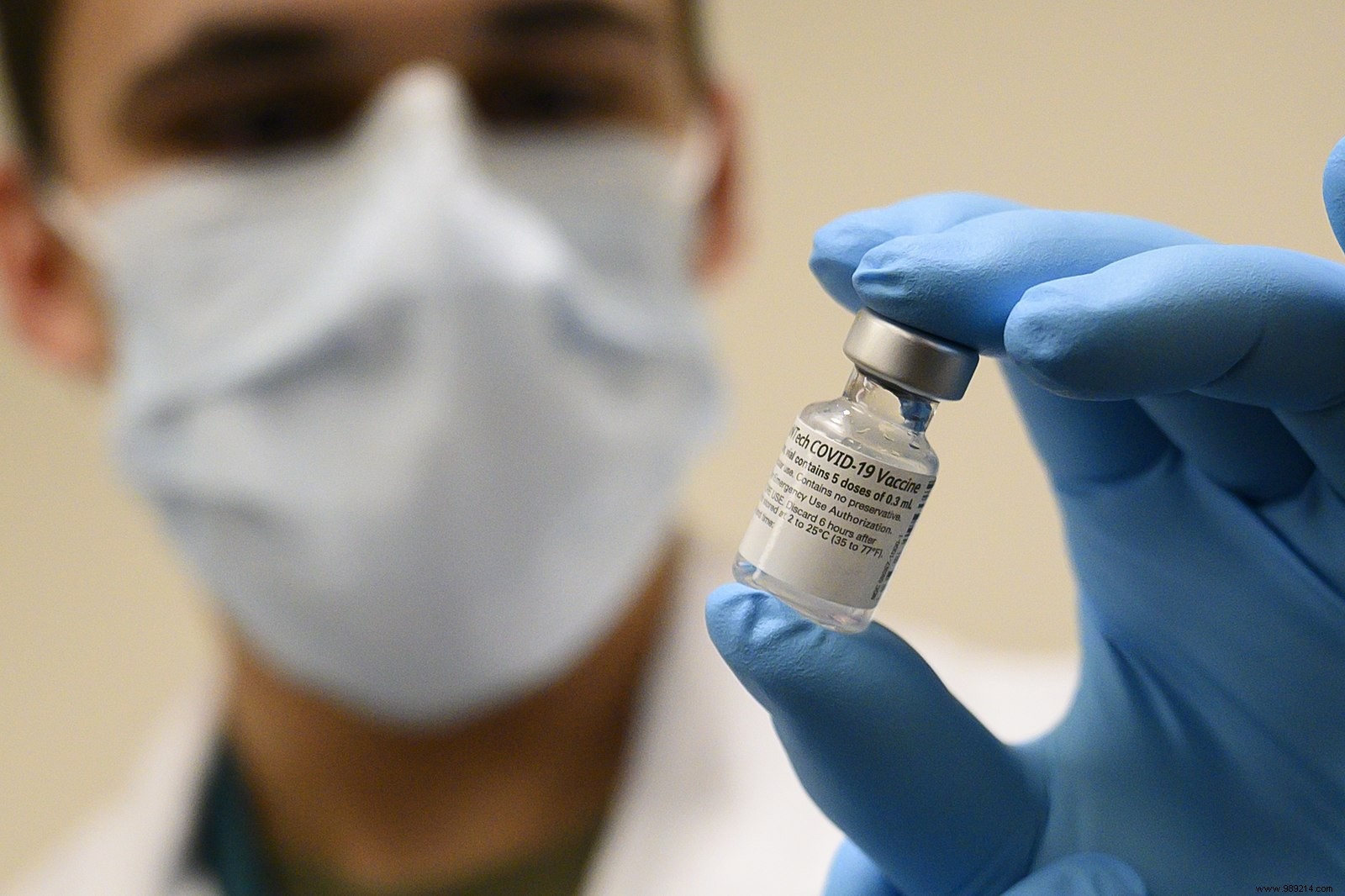
The WHO also confirms no evidence yet of reduced vaccine efficacy against Omicron. Labs worldwide are racing to develop tailored boosters if needed, with full clarity expected in weeks.
On travel restrictions, adopted by over 50 countries, the WHO urges an "evidence- and risk-based approach," warning that blanket bans impose a heavy toll on lives and livelihoods.
