Christmas gatherings bring joy and family togetherness, but indulgences in rich foods and sweets are common. A 2020 study warns that excessive sugar intake during the holidays may heighten depression risks through the winter months.
Published in Medical Hypotheses, research from the University of Kansas Department of Psychology shows that surplus sugar from chocolates, yule logs, candies, and candied chestnuts elevates the risk of winter depression. Beyond potential weight gain, it compounds other contributors like limited sunlight exposure.
Seasonal affective disorder impacts about 30% of Americans in winter, when carb cravings intensify. With holidays kicking off the season, this indulgence can trigger metabolic, inflammatory, and neurobiological pathways tied to depression.
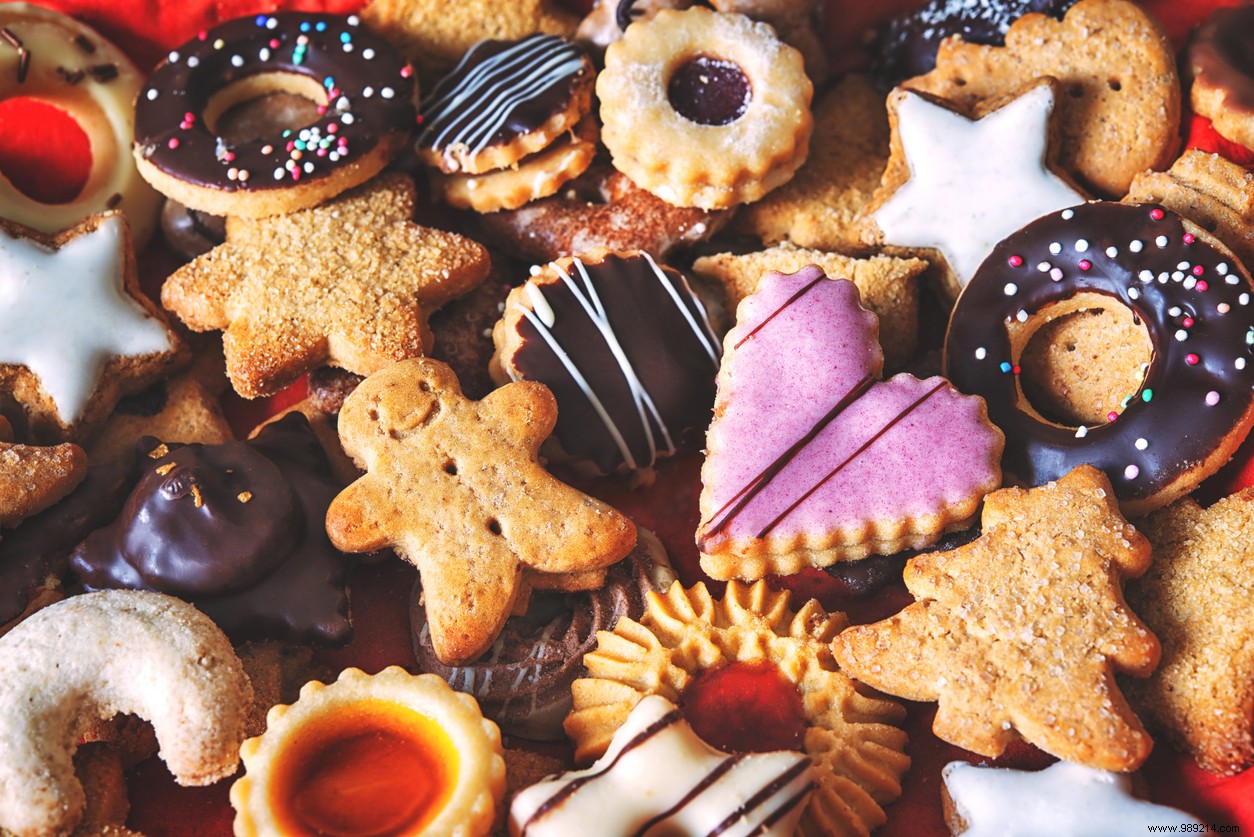
Sweets can mimic drug-like effects on the brain. The American Heart Association advises limiting added sugars to 25g daily. Over time, excess harms mood, boosts inflammation, and erodes well-being—a habit to curb year-round.
Opt for omega-3-rich foods like sardines, anchovies, and mackerel to support optimal neuron communication and brain health. Iron sources such as red meat, shellfish, and lentils, plus proper hydration, help too. A 2017 study found regular omega-3 intake reduces aggression episodes.
