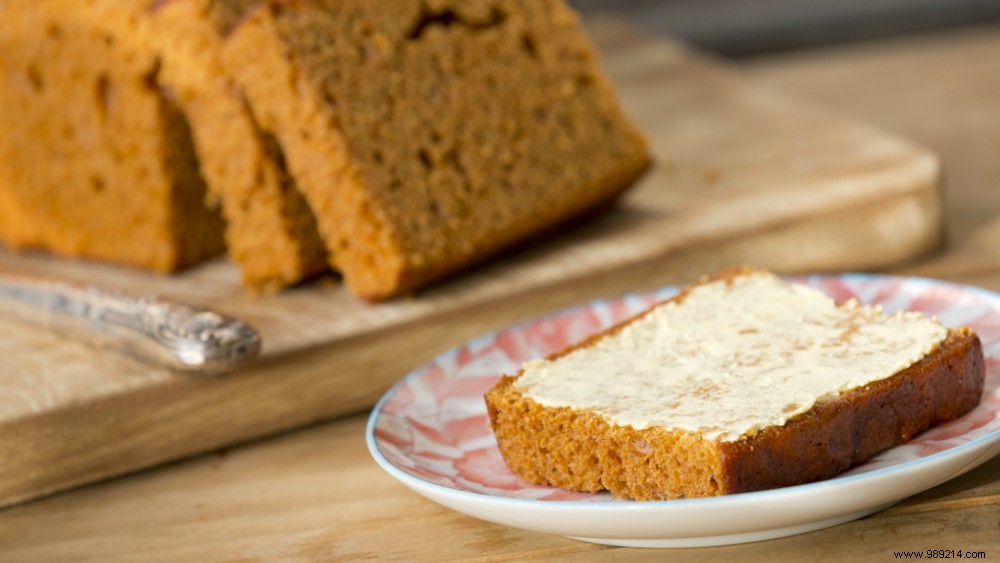
Gingerbread is a beloved holiday treat, but it's also packed with sugar. How much exactly? The Consumers' Association tested it out.
The Consumers' Association analyzed the Nutriscore ratings of 50 gingerbread brands. Nutriscore rates products from A (healthiest, green) to E (least healthy, red). The results? Just 6 earned an A, a whopping 29 got a C, and 15 scored a D. "The nutritional quality varies widely," says Sandra Molenaar, director of the Consumers' Association. "It's hard to spot on the shelf, but Nutriscore highlights the differences clearly. That's why we push for its use on all Dutch foods."
Read also: '15 snacks that contain 100 calories'
Brands use clever claims to appear healthier. They tout 'whole wheat,' but often it's just a small portion of flour, adding minimal fiber. 'With rye' is misleading since rye is standard in gingerbread. 'Low-fat' claims fall flat too—gingerbread isn't fatty anyway.
Sugar is the real star: Regular gingerbread packs 38.8 grams per 100 grams. Pearl candy versions top out at 42.3%. Even 'less sugar' options have 20 grams per 100 grams—about five sugar cubes. 'Zero' or 'lower cal' varieties swap sugar for sweeteners like maltitol and xylitol.
From June 7-13, join the Diabetes Fund's National Sugar Challenge: Go a week without added sugars in food and drinks. Will you take part?
