By the second trimester, fetuses often kick or hiccup. But can they cry? Scientific studies reveal they practice the motions essential for birth.
Advanced ultrasound technology allows us to observe fetal development inside the uterus. In a 2005 study published in Archives of Disease in Childhood – Fetal and Neonatal Edition, researchers applied vibration and sound stimuli to the wombs of over 1,000 pregnant women.
In about 10 fetuses (roughly 6% of the sample), they observed facial expressions resembling crying—open jaw, tucked chin, lifted chest, and tilted-back head. These were noted around the 33rd week of gestation. But do these count as crying? It depends on the definition.
'If crying means a loud, inarticulate scream expressing strong emotion, then fetuses definitely don’t cry in the womb,' explains Nadja Reissland, PhD, developmental psychologist at Durham University (UK), to LiveScience. Immersed in amniotic fluid, fetuses can’t fill their lungs with air to vibrate their vocal cords. That requires birth.
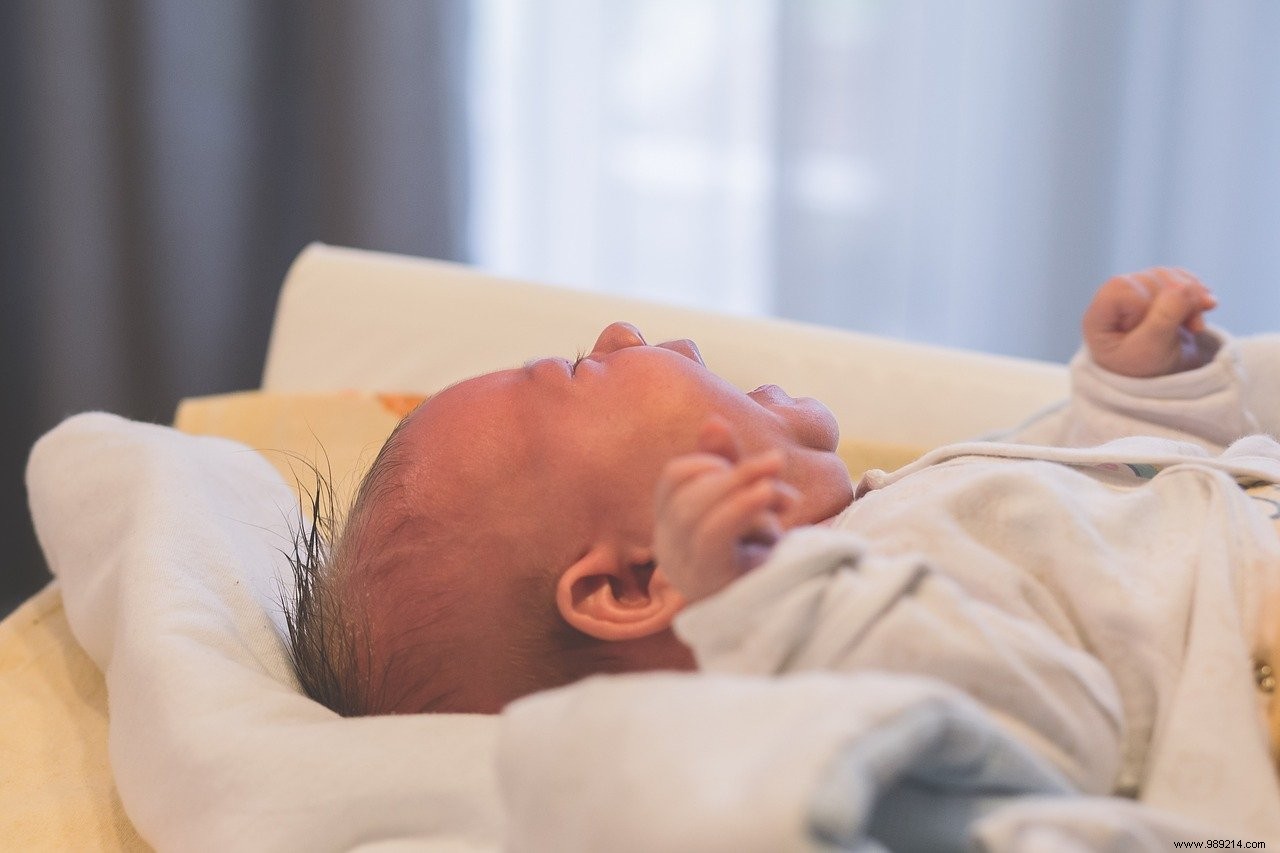
Findings from the 2005 study, along with Dr. Reissland’s 2011 research, indicate these are precursors to postnatal crying—the newborn’s primary communication tool. These facial movements emerge between 24 and 35 weeks, growing more refined as delivery nears.
Fetuses don’t truly cry in utero, but they rehearse the movements. Dr. Reissland notes these subtle actions aren’t perceptible to the mother. Even if sound waves formed in the fluid, they’d be too weak to reach her.
We’re unsure if these mimic distress; some occurred spontaneously in Dr. Reissland’s 2011 study. These in-utero expressions may also strengthen muscles vital for newborn bonding and communication.
