Will children today face far greater climate change impacts than those born mid-20th century? A leading climatologist says yes: Newborns in 2020 could encounter seven times more extreme heat waves over their lifetimes compared to people born in 1960.
Imagine 30 extreme heat waves in a single lifetime—that's the stark projection for babies born in 2020, according to a rigorous study by European and Chinese researchers led by climatologist Wim Thiery of Vrije Universiteit Brussels, Belgium. Published in Science on October 8, 2021, the analysis shows these children will be seven times more exposed to extreme heat than those born around 1960.
This disparity stems directly from global greenhouse gas (GHG) emissions. The team factored in commitments from UN Climate Conferences (COPs), yet under current pledges, global temperatures are on track to rise 2.7°C by 2100.
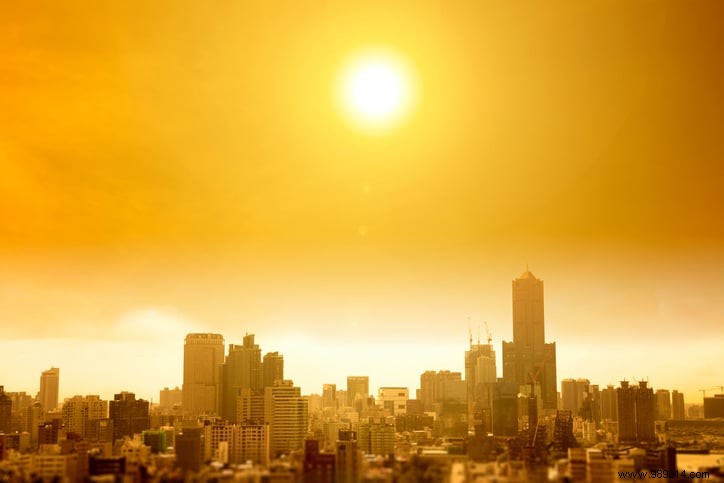
The study meticulously quantifies younger generations' exposure to extreme weather: Children born in 2020 could see twice as many wildfires, 2.8 times more river floods, 2.6 times more droughts, three times more crop failures, and seven times more extreme heat waves than 1960s cohorts.
Risks vary by location—for instance, kids in the Middle East might endure ten times more extreme heat waves than their grandparents. Even with aggressive cuts limiting warming to 1.5°C instead of 2.7°C, this generational gap persists, the authors warn.
Timed ahead of COP26 (October 31–November 12, 2021, Glasgow), this research amplifies the urgency echoed in the IPCC's August 2021 report, urging bolder global action.
