A comprehensive meta-analysis published in The BMJ reveals how global warming may heighten pregnancy risks, particularly through more frequent and intense heat waves worldwide.
While global warming poses broad risks to human health, pregnant women appear especially vulnerable. The November 4, 2020, BMJ meta-study links extreme heat episodes to elevated chances of preterm birth and miscarriage—a concern amplified in low- and middle-income countries. Though current risks remain low globally, experts anticipate worsening impacts from future heat waves.
The researchers synthesized data from about 70 studies across roughly 24 countries, primarily in North America, Europe, and Oceania. They assessed preterm births, stillbirths, and low birth weight to gauge heat's effects on pregnancy outcomes.
“Pregnant women deserve a place alongside groups generally considered to be at high risk for heat-related conditions,” the study concludes.
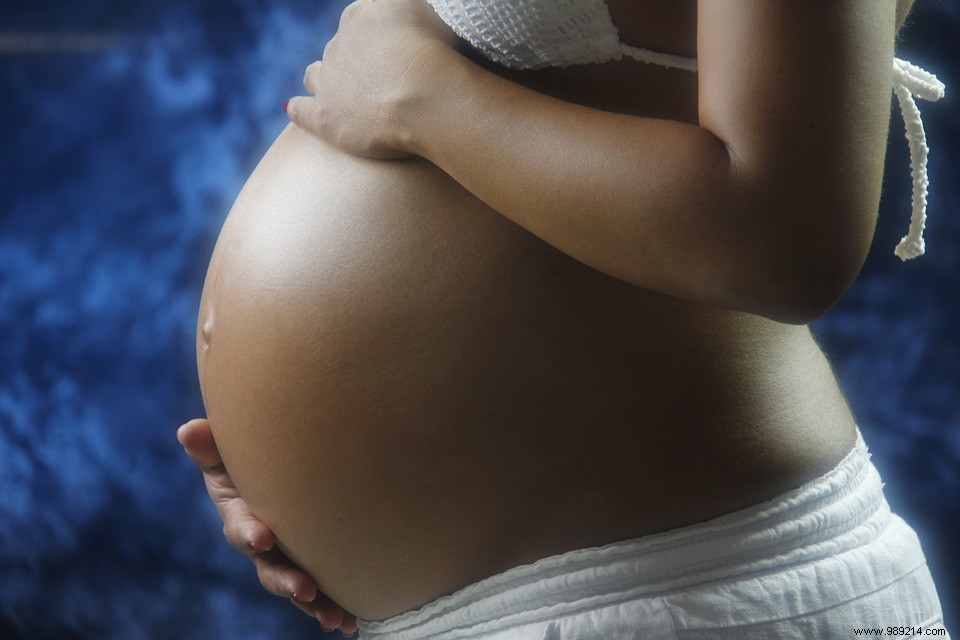
Results show preterm birth or miscarriage risk rising by 5% per additional degree of heat, surging to 16% during prolonged heat waves. For context, the global preterm birth rate hovers around 10%, so heat's influence is notable yet secondary to other factors.
Of the 70 studies, just 18 tied extreme heat to low birth weight, while 40 linked it to preterm delivery. Several highlighted greater vulnerability in low- and middle-income countries, where women face prolonged heat exposure. Some research suggests risks peak in late pregnancy, at least in high-income settings.
These insights are valuable but constrained by inconsistent results across studies. The authors call for further research to refine our understanding.
