It's a familiar scene: children turning up their noses at broccoli and other cruciferous veggies due to their sharp smell and bitter taste. New research suggests certain oral bacteria intensify this dislike.
Vegetables like broccoli, cauliflower, and Brussels sprouts from the Brassica family often provoke strong aversions, especially in children, thanks to their bitter taste and pungent aroma. These traits stem from glucosinolates, which break down into isothiocyanates when chewed. But is that the whole story?
A recent study published in the Journal of Agricultural and Food Chemistry uncovers another factor influencing this response.
Brassica veggies contain S-methyl-L-cysteine sulfoxide, which generates potent sulfurous odors when activated by a plant enzyme. Remarkably, some oral bacteria produce the same enzyme. Prior studies showed varying enzyme levels in adult saliva, prompting questions about children and potential links to food preferences.
Researchers led by Damian Frank at Australia's CSIRO (Commonwealth Scientific and Industrial Research Organisation) investigated this. With vegetable intake falling short of recommendations for both kids and adults in Australia and other Western nations, understanding these barriers is crucial.
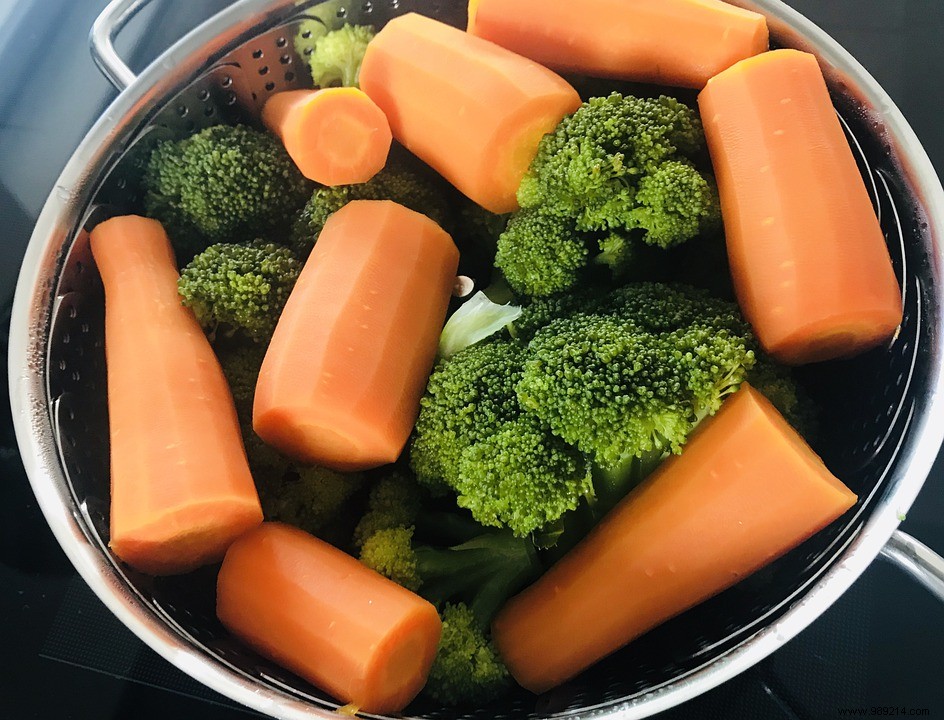
The team used gas chromatography-olfactometry-mass spectrometry to pinpoint key odor compounds in raw and steamed broccoli and cauliflower. They then had 98 child-parent pairs rate these odors. Dimethyl trisulfide (reminiscent of rot) and sulfur ranked as the least appealing.
Next, they mixed saliva samples with raw cauliflower powder and tracked volatile compounds over time. Results revealed significant individual differences in volatile sulfur production. Children producing higher levels disliked Brassica veggies more intensely—a pattern not seen in parents. The findings suggest we may develop tolerance to these flavors with age.
