As we emerge from the COVID-19 pandemic, experts warn of new deadly epidemics—not from human viruses, but from plant pathogens that could trigger widespread famines.
COVID-19 has recorded over 219 million cases and about 4.5 million deaths worldwide, including 115,000 in France. While the world is gradually recovering, a November 2020 report from the Intergovernmental Science-Policy Platform on Biodiversity and Ecosystem Services (IPBES) signals the start of the "era of pandemics." Yet, the next major threats may not target humans directly.
Plants are increasingly vulnerable to insect pests and destructive fungi. A July 21, 2021, Fast Company article highlighted that 600 pest species have developed resistance to pesticides, costing the U.S. up to $10 billion annually.
Take the African citrus psyllid, which spreads yellow dragon disease (citrus greening), devastating orchards in Asia, Africa, tropical/subtropical Americas, Florida, and now Mediterranean regions. Similarly, the Fusarium fungus causes Tropical Race 4 (TR4), a fatal banana wilt that has ravaged plantations in South Asia, Africa, and now Ecuador, a top producer.
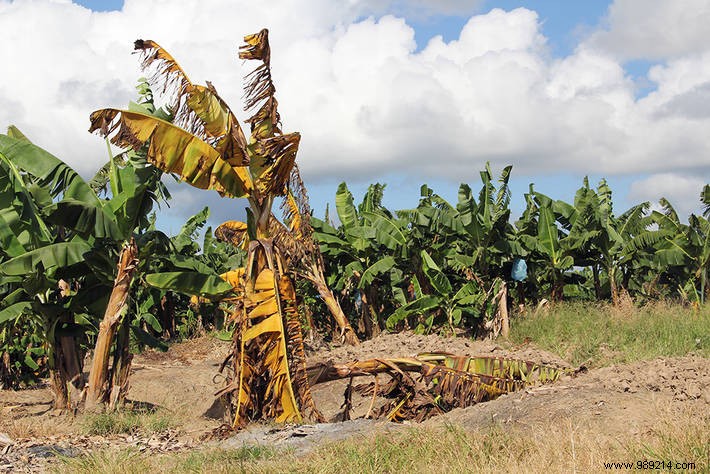
This isn't science fiction: in Africa alone, migrating insects, plant diseases, and other agents could leave 500 million people food insecure. The FAO warns that 37% of wheat crops face threats from stripe rust.
Climate change amplifies these dangers. A 2018 study found staple crops like corn, rice, and wheat lose 5-20% to pests today. With warming temperatures boosting insect appetites and populations, each additional degree could add 10-25% more losses, especially in temperate cereal regions across three continents.
Relying on more pesticides isn't viable, as usage has already surged. Instead, genetic solutions like BT corn—resistant to corn borers and planted on over 75% of U.S. corn acreage—offer proven protection against future crop failures.
