YouTube announced on Wednesday the removal of accounts held by several prominent anti-vaccine activists. This includes any content falsely claiming that approved vaccines harm human health.
Vaccination debates have simmered for two decades, sparked by Andrew Wakefield's 1998 fraudulent study falsely linking the MMR (measles, mumps, and rubella) vaccine to autism. Though Wakefield was discredited and his paper retracted, vaccine mistrust persisted and grew. A global survey two years ago revealed a confidence crisis, particularly in Europe—and especially France, which led in vaccine hesitancy.
The COVID-19 pandemic reignited these tensions, with skeptics questioning the rapid development of vaccines from pharmaceutical labs or alleging population control motives. False narratives about COVID-19 vaccines proliferated on social media despite moderation efforts.
A year prior, YouTube began removing videos contradicting health authorities or WHO guidance—a key driver of hesitancy, per researchers. Channels run by influencers like France's Jean-Jacques Crèvecoeur, Christian Tal Schaller, Silvano Trotta, and Salim Laïbi were taken down.
Yet misinformation persisted, prompting YouTube to strengthen its policies.
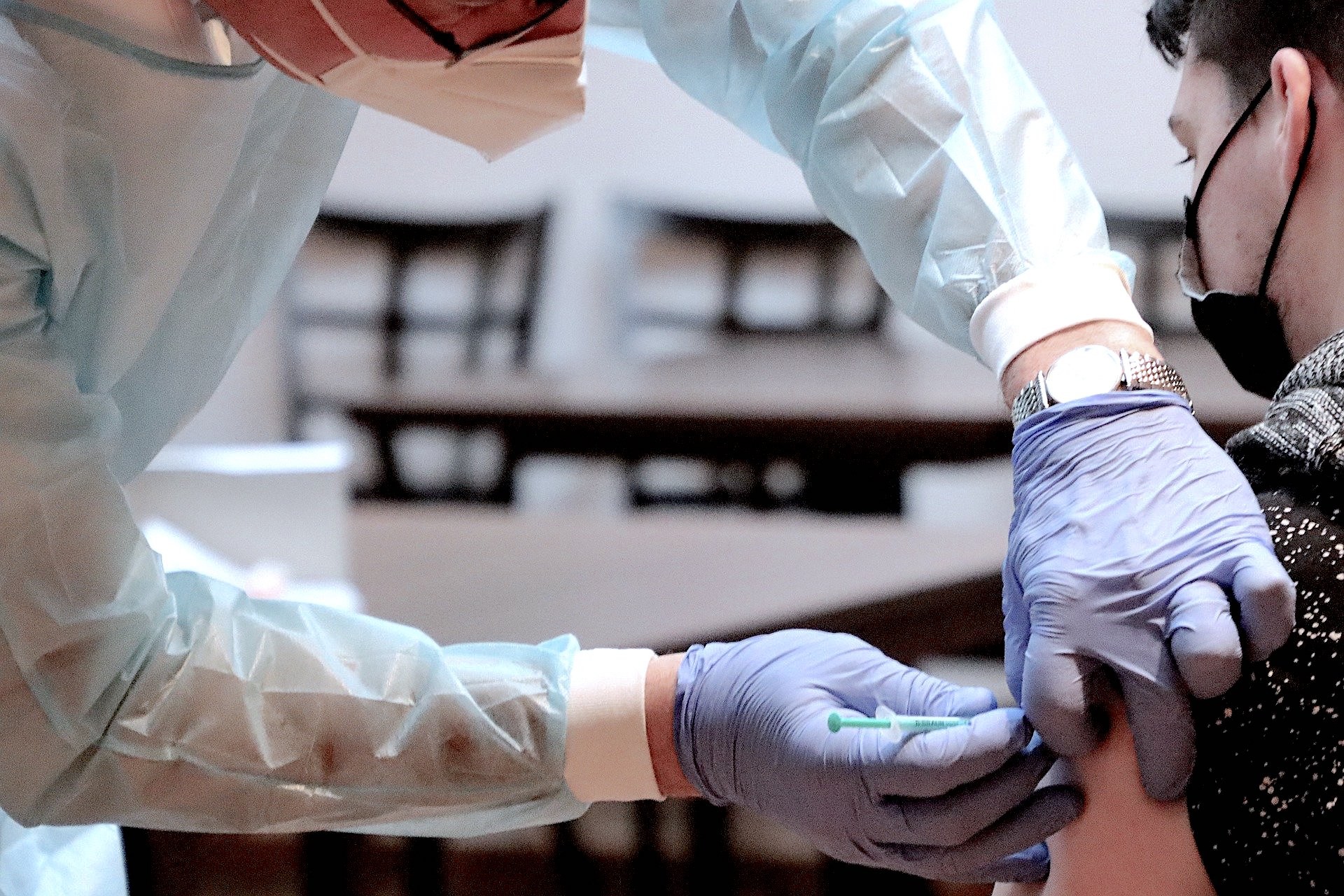
In a September 29 blog post, YouTube outlined plans to remove videos claiming vaccines don't reduce disease transmission or contraction, plus misinformation on vaccine ingredients—like assertions of nanochips or links to autism, cancer, or infertility.
"Today's policy update is an important step in addressing vaccine and health misinformation on our platform, and we will continue to invest at all levels in policies that provide users with high-quality information," the company stated.
Exceptions include personal testimonials, discussions of vaccine policies or trials, and historical content on vaccine successes or failures. A parent's video about a child's reaction stays, but dedicated channels promoting such stories will be removed.
These steps won't eliminate all misinformation. Osteopathic physician Dr. Joseph Mercola, a major anti-vaccine voice with 500,000 YouTube subscribers, lost his channel—but retains over 3 million followers on Facebook and Instagram, plus 320,000 on Twitter.
