Bisphenol A (BPA) faced its first bans in France starting in 2013. Alerted as early as 2010, we've compiled practical strategies to help you avoid it today, drawing from years of monitoring chemical safety in everyday products.
Debate over BPA's risks has raged for nearly three years. France led the charge in alerting the European Union. This ubiquitous chemical lurks in can linings, some plastic bottles, tins, and even dental composites.
BPA acts as an endocrine disruptor (disrupting hormonal balance), and studies link it to carcinogenic and neurotoxic effects.
- July 2010: France suspends BPA-containing baby bottles
- January 2011: Ban extends across Europe
- 2013: BPA containers banned in France for children under 3
- July 1, 2015: Total ban implemented
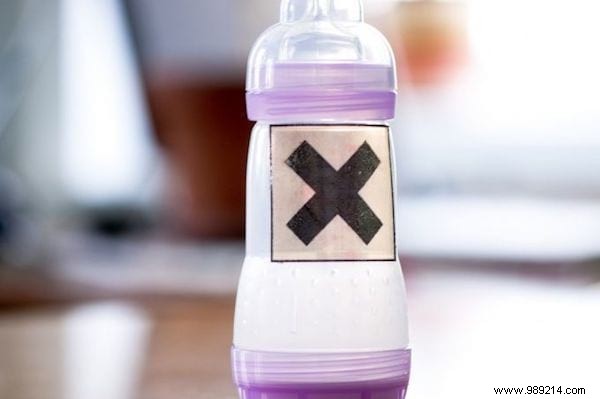
Beyond BPA-free baby bottles, scrutinize all food containers. It affects the entire family through common household items.
Mandatory labeling for BPA-containing products begins in 2014. Until then, here's what works based on our experience:
Personally, I've slashed canned food consumption dramatically, prioritizing safer alternatives.
1. Opt for frozen foods and fresh produce.
2. Skip drinks from cans; we use tap water (filtered as needed for syrups and more).
If tap water concerns you, a filter jug is reliable and affordable. Avoid bottled water that may contain BPA. Amazon link: water filter jug €15.89.
To check if your plastic food containers or bottles have BPA, look for the digit 7 inside the recycling symbol—a triangle of three arrows (see photo in article). If present, assume BPA is involved.
Canned goods have a short shelf life left—hang in there! Share your BPA avoidance strategies in the comments.
