COVID-19 primarily spreads through respiratory droplets from talking, coughing, or sneezing. Japanese broadcaster NHK demonstrated this risk in a compelling experiment published on April 8, 2020.
Recommended safe distancing is typically 1-2 meters, but research suggests it may not always suffice. In March 2020, Chinese investigators tracked an early case where one bus passenger infected 13 others, some seated 2-4.5 meters away.
U.S. studies have also raised concerns about transmission via normal breathing, beyond just coughing or sneezing.
NHK's simulation involved about ten participants sharing a buffet-style meal. The results were stark: viral spread was unavoidable.
Researchers applied phosphorescent paint to one participant's hands, simulating "patient zero." Under UV light post-meal, contamination was widespread.
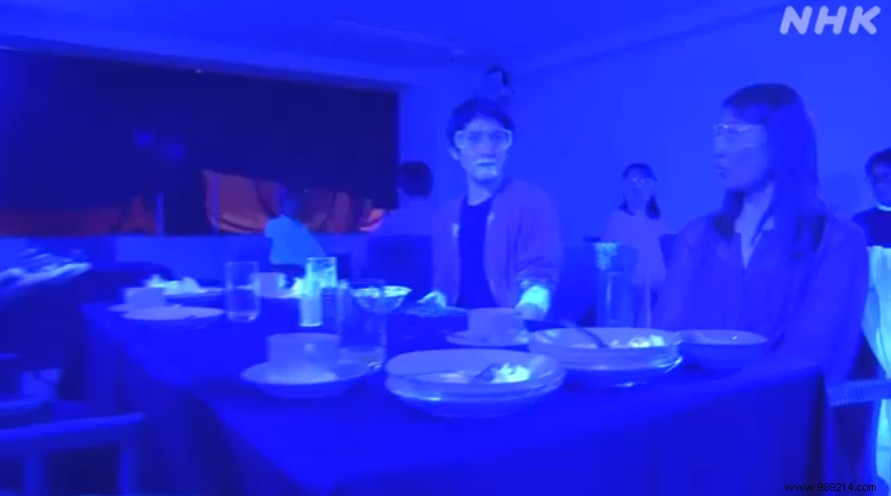
Patient zero had paint on their mouth, glasses, clothes, and sleeves. Most others had traces on their hands, and utensils were contaminated too: cutlery, water carafe, glasses. This highlights the role of fomites in transmission.
This experiment underscores vital precautions: maintain social distance, wear masks, skip crowds, and prioritize rigorous hand hygiene.
