A tiny biting sand fly, vector for the deadly visceral leishmaniasis parasite, lays eggs on dogs before infecting humans. Remarkably, it modifies the dogs' scent, making them highly attractive to female flies.
Visceral leishmaniasis, also known as black fever, claims 20,000 to 30,000 lives annually, ranking as the second deadliest parasitic disease after malaria. Caused by Leishmania parasites and transmitted by Phlebotominae sand flies, only females bite. Untreated, it's fatal in nearly all cases.
Prevalent in Europe and devastating the Americas with 95% of global cases—led by Brazil—the disease spreads via dogs as reservoirs. Research from the University of Lancaster, published in PLOS Pathogens, shows how parasites alter dogs' odor to lure female flies.
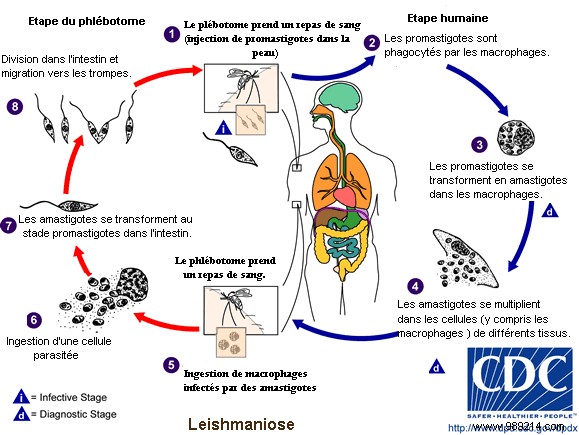
Previous studies documented this "parasitic manipulation" in rodents, enhancing attractiveness to flies for better transmission. This is the first confirmation in dogs, key reservoirs that spread the disease through bites and licks.
Lancaster researchers analyzed hair and blood from dogs in Governador Valadares, Brazil. They extracted volatile chemicals from about 15 dogs and tested them on sand flies. While hairs from both infected and uninfected dogs drew both sexes, infected samples attracted 67.7% of females—a pattern absent in males.
Next steps include pinpointing the allure of these scents, identifying key chemicals, and mapping insect receptors involved. These findings could revolutionize strategies against visceral leishmaniasis.
