We intuitively know ultra-processed foods aren't good for us, but understanding the science behind their harm is key.
Researching ultra-processed foods' impact on the body is complex, especially amid factors like obesity. Yet, leading experts increasingly agree these foods disrupt our gut microbiota—the trillions of bacteria essential to digestion—potentially raising chronic disease risks.
These differ from simply processed foods, which add just salt, sugar, oil, or vinegar—like canned vegetables, salted nuts, canned fish, or cheese.
Ultra-processed foods undergo multiple industrial stages, using extracted substances (oils, fats, sugars, starches, proteins) or lab-synthesized ingredients. The goal: affordable, convenient, hyper-palatable products.
Essentially factory-made from scratch, they're loaded with additives for color, flavor, texture, and shelf life. This boosts calorie density while stripping fiber, vitamins, and nutrients.
Think chicken nuggets, sodas, chips, snacks, or ready meals—representing about 80% of supermarket products.
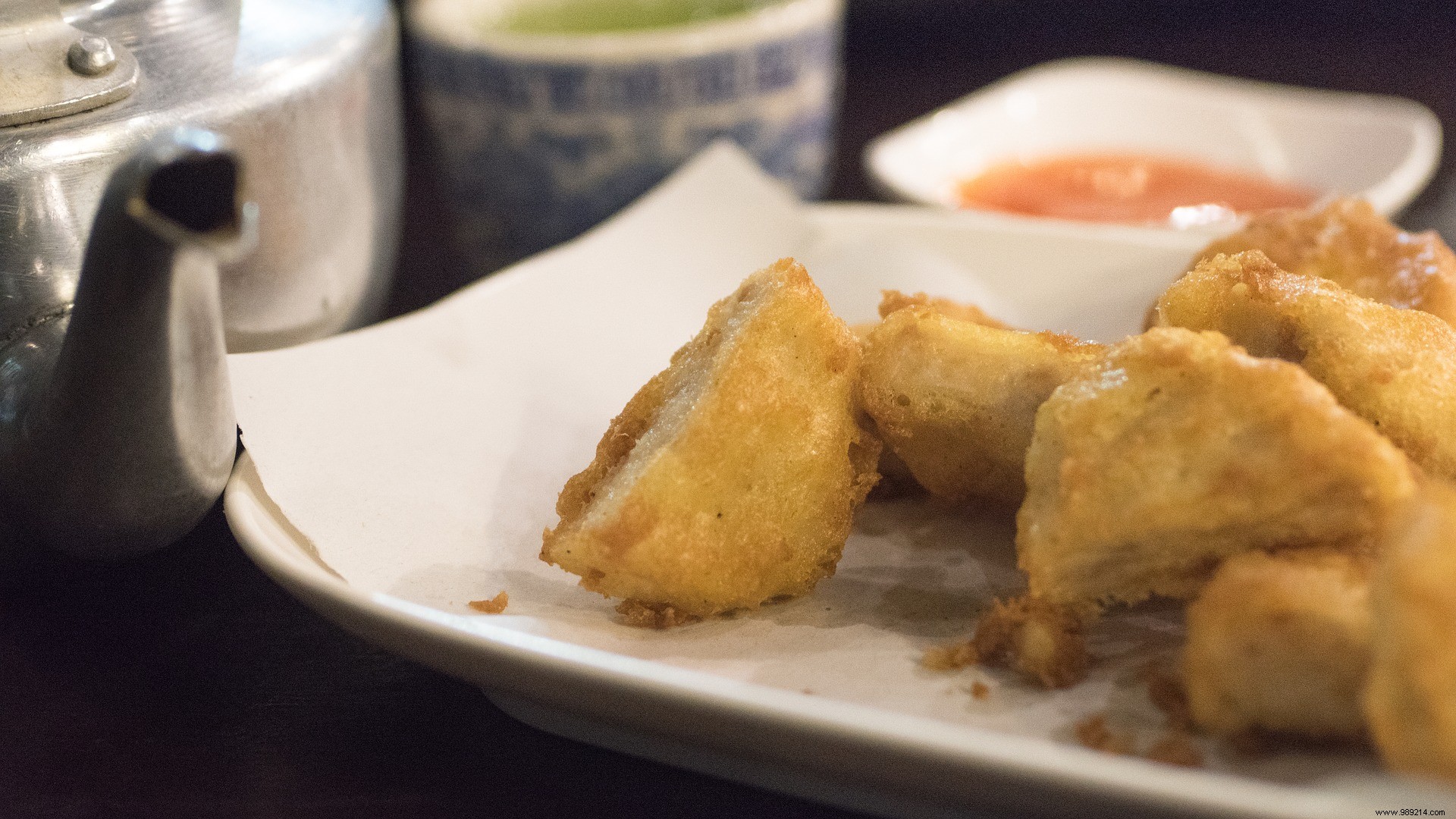
With high sugar, fats, salt, modified proteins, and additives, pinpointing the exact culprit is challenging.
Diet is the primary shaper of gut microbiota composition, and greater bacterial diversity correlates with better health, per experts.
Mouse studies show ultra-processed diets (low-fiber, high-fat) alter microbiota negatively compared to balanced ones.
Human research comparing hunter-gatherers (no ultra-processed foods) to industrialized populations reveals far greater microbial diversity in the former.
Diets heavy in these foods also spark inflammation, leaving the body more susceptible to viruses and diseases.
C-reactive protein (CRP), a key inflammation marker, links to chronic conditions like cancer, arthritis, heart disease, and diabetes. High ultra-processed intake correlates with elevated CRP levels.
Sugars feed harmful gut bacteria, igniting inflammation, notes Marit Zinocker, lead author on related research. Additives play a role, but absent fiber is critical too—completely missing from these foods.

Fiber fuels gut bacteria, producing short-chain fatty acids for their growth. Without it, we starve the microbiota.
This depletes the protective intestinal mucus layer, a barrier against pathogens. Starved bacteria may even erode it for nutrients, per mouse studies.
A compromised mucus barrier heightens infection and disease risks.
Carlos Monteiro, University of São Paulo nutrition professor who coined the term in 2009, advocates making whole foods cheaper and taxing ultra-processed ones.
"We acted on tobacco before knowing all risks—it should be the same here," he says. Delays could cost lives.
Source
Related Articles:
