U.S. researchers detailed an astonishing clinical case: a patient developed a severe bacterial and fungal bloodstream infection after injecting an infusion of hallucinogenic mushrooms. Remarkably, the fungi proliferated in his blood.
A November 2020 study found hallucinogenic mushrooms four times more effective than antidepressants. Canada has authorized psilocybin—the psychoactive compound in these mushrooms—for certain therapeutic uses. Yet, it's a potent substance that can cause convulsions, fatal overdose, and accidents from its psychotropic effects.
A case report prepublished January 11, 2021, in the Journal of the Academy of Consultation-Liaison Psychiatry describes U.S. physicians treating a man in his 30s presenting with profound confusion. Diagnosed with bipolar disorder, he sought self-medication after reading about the benefits of microdosing LSD and psilocybin.
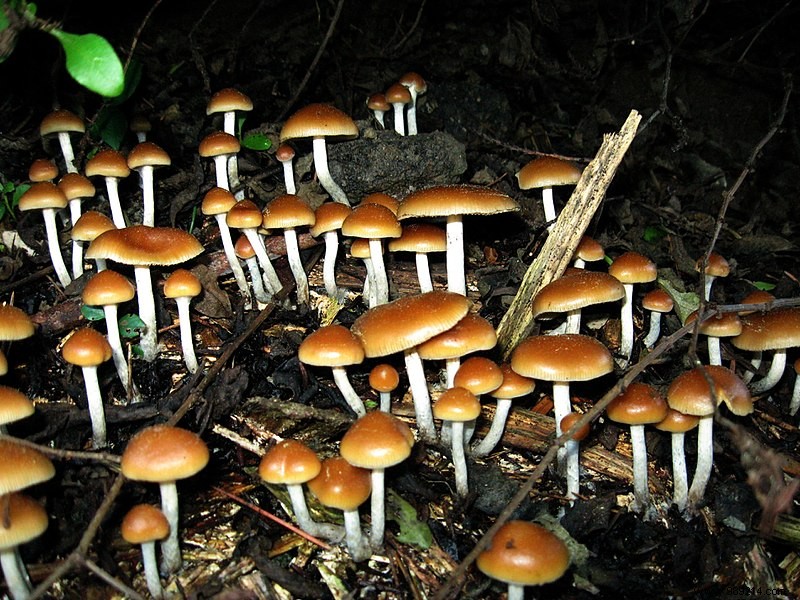
Hallucinogenic mushrooms are typically consumed orally—raw, dried, cooked, or as tea. Unbeknownst why, this patient filtered mushroom infusion through cotton and injected it intravenously. Symptoms quickly worsened: jaundice, lethargy, nausea, diarrhea, and vomiting blood, prompting a 911 call.
At the hospital, he was severely confused, with acute kidney and respiratory failure plus heart damage. Tests confirmed a bacterial and fungal infection; fungi multiplied in his blood, triggering septic shock. Doctors initiated life support, antibiotics, and antifungals. He remained hospitalized 22 days, including 8 in the ICU.
Such cases appear occasionally in medical history but are extremely rare, as intravenous mushroom administration is highly unusual.
