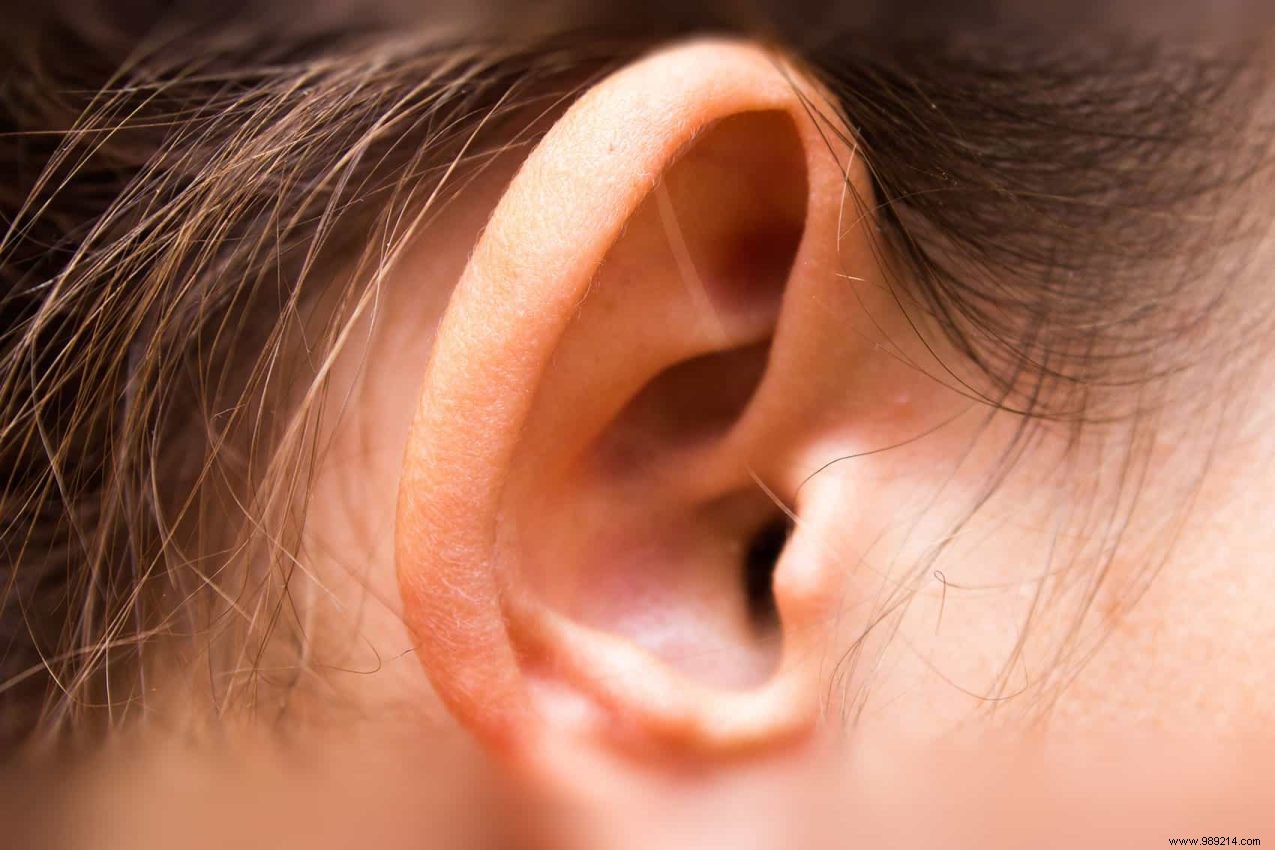
If you suspect a tear or hole in your eardrum, understanding the signs, causes, and next steps is crucial. Here's how to recognize eardrum damage, when to consult a doctor, and effective self-care measures backed by medical experts.
A ruptured eardrum often results from an acute middle ear infection, where pus and fluid build up and tear the membrane. Other frequent triggers include exposure to a loud blast, direct trauma to the ear, pressure changes during diving, or improper ear cleaning with cotton swabs.
Also read: Cleaning the inside of your ear with a cotton swab is not such a good idea.
A rupture typically causes sudden, severe pain that may subside quickly. You might not notice it afterward, but common symptoms include temporary hearing loss, tinnitus (ringing in the ear), ear discharge, or a sensation of air escaping from the ear.
Small tears often heal naturally within a few months. However, consult your doctor for any uncertainty, larger tears, or ongoing hearing issues. They may refer you to an ENT specialist for further evaluation.
Explore more about ear health.
