During Germany's SARS-CoV-2 vaccination rollout, a logistics error disrupted Pfizer vaccine deliveries. Several Bavarian districts missed their initial doses due to a cold chain failure.
Germany launched its COVID-19 vaccination campaign on December 27, 2020, alongside France, prioritizing the Pfizer/BioNTech vaccine. This mRNA vaccine demands stringent transportation and storage conditions. Yet, on launch day, seven districts in southeastern Bavaria did not receive their supplies, delaying vaccinations for local residents in the first week.
The issue stemmed from a cold chain breach. The vaccine requires storage at -60°C to -80°C—temperatures akin to Antarctic conditions. This incident underscores the paramount importance of robust cold chain logistics for vaccine distribution.
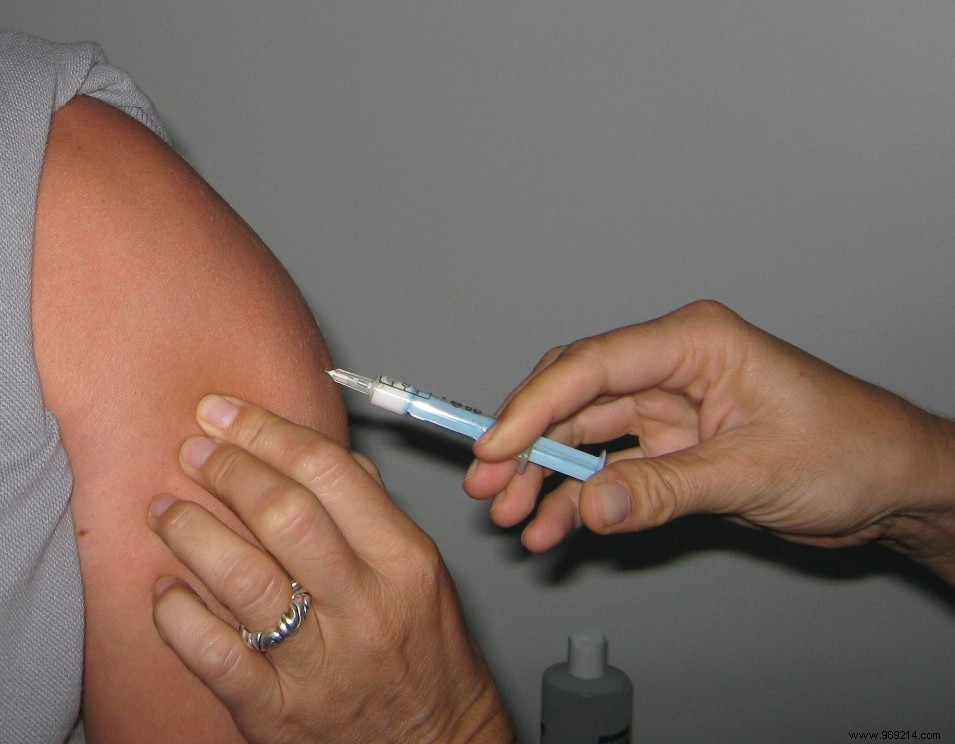
mRNA vaccines offer rapid development advantages but are inherently fragile due to enzymes that degrade the messenger RNA after its role is complete. In vaccines, the mRNA must remain stable until injection.
Laboratories stabilize mRNA through "coating" for structural integrity and "packaging" in lipid nanoparticles—ensuring it's not injected unprotected. Even so, ultra-low temperatures are essential to freeze and preserve the mRNA, halting enzyme activity.
Stored in specialized dry ice freezers at -60°C to -80°C, vaccines have a narrow window post-thawing: just five days before enzyme activity resumes upon warming. Precise logistics are non-negotiable for success.
