Researchers have discovered a close bat relative of SARS-CoV-2, providing strong evidence that the COVID-19 virus evolved naturally rather than in a lab.
Claims of a lab leak from Wuhan's P4 facility lack foundation. These high-security labs operate under extreme negative air pressure, ensuring pathogens cannot escape even in a major breach, as explained by Olivier Reynard from Lyon's International Center for Research in Infectiology (CIRI) in a recent Capital interview.
The scientific consensus points to a natural origin for SARS-CoV-2, with bats as prime reservoir candidates. The virus likely jumped to an intermediate animal host before acquiring mutations to infect humans. A new study in Current Biology supports this hypothesis.
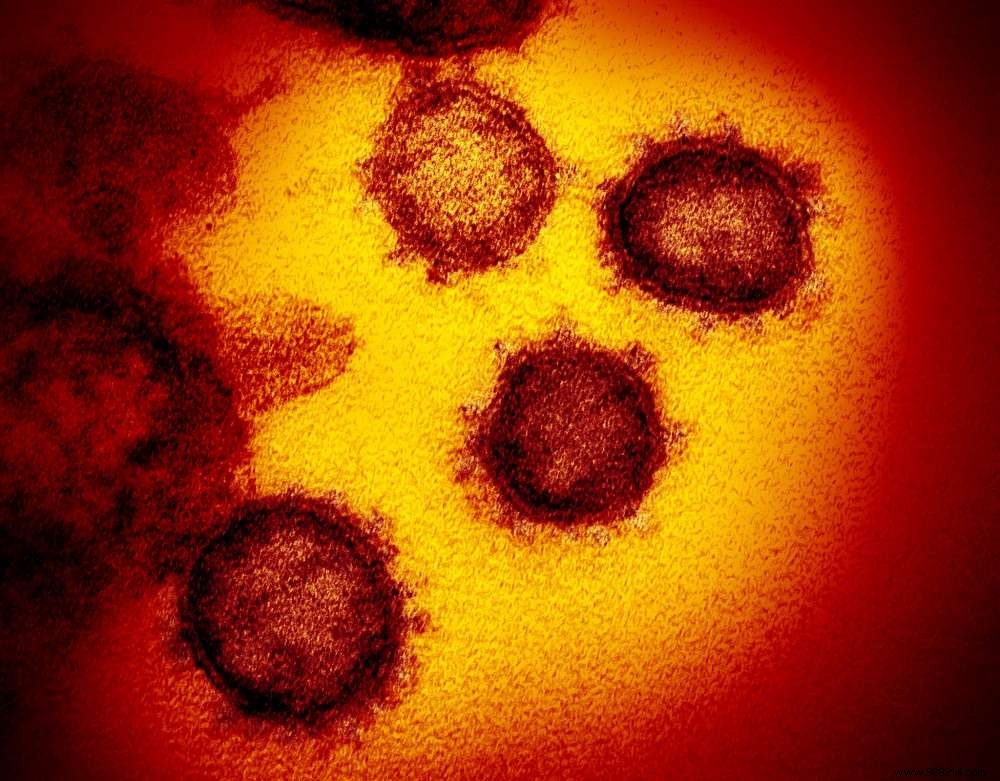
Coronaviruses derive their name from the crown-like spikes on their surface, formed by the S glycoprotein. For SARS-CoV-2, this S protein cleaves into S1 and S2 subunits.
S1 binds to the host cell's ACE2 receptor, while S2 engages TMPRSS2, enabling viral entry into lung cells.
SARS-CoV-2 features a distinctive four-amino-acid insertion at the S1/S2 junction, unique among sequenced strains at discovery. Lab-leak proponents highlighted this as potential manipulation evidence.
Chinese researchers report identifying RmYN02, a coronavirus from bats, with a comparable insertion at the S1/S2 junction.
RmYN02 came from analyzing 227 bat samples collected in China's Yunnan province from May to October 2019. Next-generation metagenomic sequencing of their RNA revealed amino acid insertions at the spike protein subunits' junction.
Though the inserts differ from SARS-CoV-2's, indicating independent events, their occurrence in a wild bat virus underscores natural origins.
RaTG13, another Yunnan bat virus, remains SARS-CoV-2's closest overall relative. However, RmYN02 shows even higher similarity in key regions, like the 1ab coding section, sharing 97.2% RNA identity.
Critically, RmYN02 diverges in the receptor-binding domain for human ACE2, making it unlikely to infect human cells.
Source
