A newly discovered molecule has shown potential to regenerate bone and cartilage defects while easing symptoms in animals with osteoarthritis.
As we age or after injuries, the cartilage protecting bone ends cracks, crumbles, and vanishes. These lesions rarely heal on their own, often progressing to osteoarthritis—one of the most prevalent arthritis forms. In France, it impacts an estimated 9 to 10 million people, or 17% of the population.
Anti-inflammatories can sometimes manage pain, but repairing the damage remains elusive. Emerging research, however, offers real promise.
Researchers at Queen Mary University of London have spent years developing cartilage-healing strategies in osteoarthritis animal models, zeroing in on a key molecule: Agrin.
When introduced into cartilage, Agrin activates dormant stem cells in the joint, spurring lesion repair.
Studies in mice and sheep yield encouraging results. In sheep, a single Agrin dose in cartilage defects triggered repair and boosted activity for six months.
"Other methods grow new cartilage from patient cells or stem cells in labs—removing them, culturing, treating, and reimplanting," explains lead author Suzanne E. Eldridge in The Conversation. "It's laborious, costly, and inconsistent. Our method bypasses this: stem cells are already in the knee. Agrin simply 'instructs' them to repair efficiently without extraction."
Crucially, unlike prior molecules, Agrin promotes cartilage growth precisely where needed, with no evident side effects in mice or sheep.
The team plans further preclinical work before human trials, testing on older animals and chronic injuries. "Our vision: transform osteoarthritis into a curable or preventable condition. A simple injection or minimally invasive procedure could heal defects and halt progression," Eldridge writes.
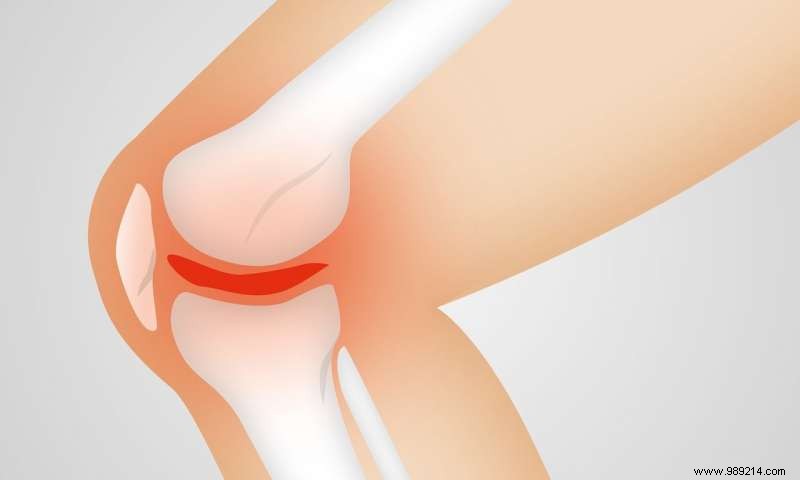
The same researchers identified ROR2—a molecule absent in healthy cartilage but produced post-injury—that drives osteoarthritis breakdown. Could inhibiting it alleviate symptoms?
Using RNA gene silencing, they halted ROR2 production in mouse cartilage cells, offering "partial protection" against further degradation and delivering rapid, significant pain relief.
More validation precedes clinical trials. Eldridge acknowledges patient frustrations but remains optimistic: "It's a dream to restore work, hobbies, and full lives. We're committed to making it reality."
