Researchers at the University of East Anglia have pioneered an at-home urine test for prostate cancer diagnosis. Findings from the peer-reviewed study appear in the journal BioTechniques.
Prostate cancer is among the most prevalent cancers in men, claiming over 50,000 new cases yearly in France. Subtle signs like urinary issues, erectile dysfunction, or lower abdominal discomfort often go unnoticed, leading to late diagnoses that severely limit survival odds.
The standard diagnostic digital rectal exam deters many due to its discomfort, while biopsies drain resources—yet 75% yield negative results. A simple home tool to detect disease presence and progression could transform early screening.
This advanced urine test examines gene expression in samples to pinpoint biomarker signatures in at-risk patients. It uniquely assesses cancer aggressiveness, stratifying risk as low, medium, or high.
Tested via a home kit on 14 patients, results outperformed traditional rectal exams. "We found that urine samples taken at home showed prostate cancer biomarkers much more clearly," says lead author Jeremy Clark.
Participants overwhelmingly preferred its comfort over invasive methods.
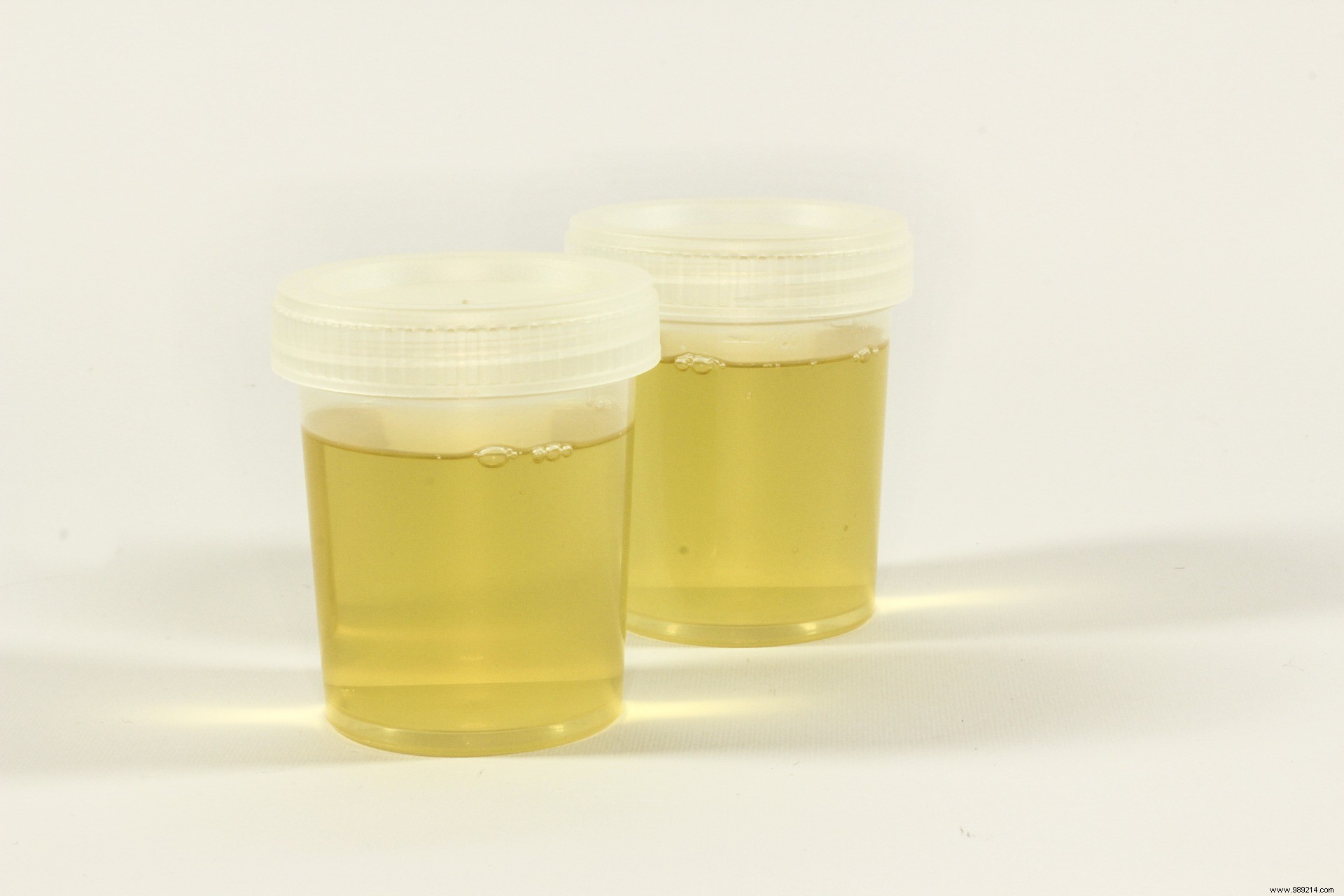
These early results signal a potential game-changer in prostate cancer care.
"When we diagnose prostate cancer, the urine test can potentially differentiate those who need treatment from those who don't. That would be invaluable," notes Robert Mills, surgeon at Norwich University Hospital. These patients usually enter active surveillance with repeat biopsies and MRIs—intrusive procedures. This test could guide when intervention is truly needed.
Men could self-monitor prostate health conveniently, consulting doctors only for elevated risks. The team eyes expansion to bladder and kidney cancers.
Source
Related articles:
