Health authorities recommended a minimum one-meter distance to slow COVID-19 transmission. Yet a preliminary study from Chinese epidemiologists suggested the virus could travel up to 4.5 meters and remain airborne for about 30 minutes. First reported by the South China Morning Post on March 9, 2020, it appeared briefly in Practical Preventive Medicine on March 10 before unexplained withdrawal. Here's what the research revealed.
While officials worldwide advised 1-2 meters separation, this study from China's Provincial Center for Disease Control and Prevention indicated the coronavirus could spread up to 4.5 meters and persist in the air for around 30 minutes—far exceeding typical guidelines.
The findings stemmed from a real-world outbreak on January 22, 2020, during Chinese New Year. An infected man boarded a long-distance bus, sat in the second-to-last row, and felt ill but wore no mask—like most of the 48 passengers. China hadn't yet declared a national emergency.
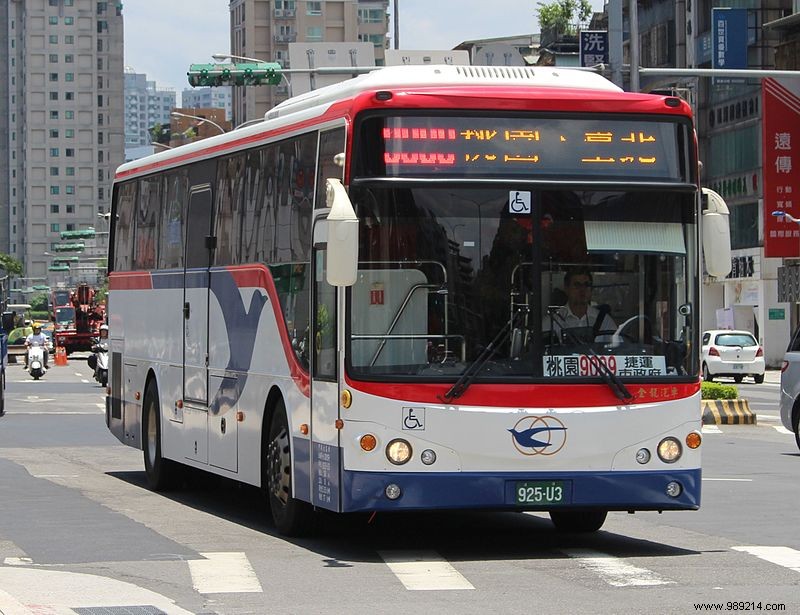
Researchers reviewed bus surveillance footage. All windows were closed with air conditioning running, and the man had no direct contact with others during the four-hour trip. Initially, 9 passengers were infected: 3 nearby and 6 seated 2-4.5 meters away, including one asymptomatic case. Later boarders brought the total to 13 infections from this index case.

“It can be stated that in a closed environment with air conditioning, the transmission distance of the new coronavirus exceeds the generally recognized safe distance,” cautioned lead author Hu Shixiong.
The study underscored hand hygiene and mask-wearing in public, as the virus clings to tiny respiratory droplets that hang in the air and survives days on surfaces. Note: The South China Morning Post issued a correction after Practical Preventive Medicine retracted the paper without reason; the outlet is awaiting clarification.
Related Articles:
